

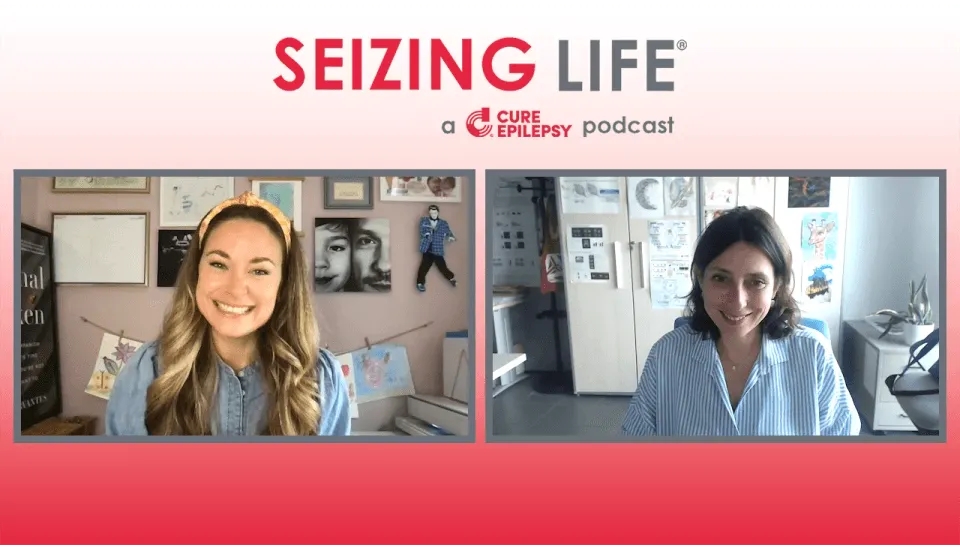
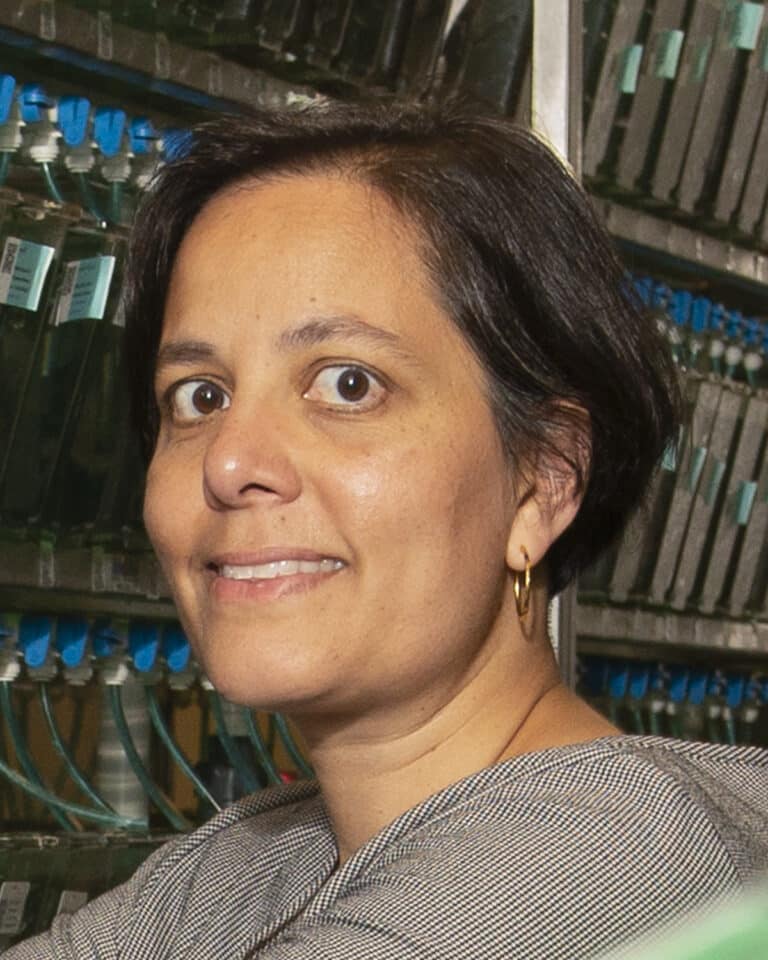
Dr. Annapurna (Ann) Poduri received her BA summa cum laude in Biology from Harvard University, MD from the University of Pennsylvania School of Medicine, and MPH from the Harvard School of Public Health. She completed pediatric training at Boston Children’s Hospital, child neurology residency at the Children’s Hospital of Philadelphia, and clinical neurophysiology/epilepsy fellowship at Boston Children’s Hospital. She went on to pursue training in neurogenetics in the clinic and through a post-doctoral fellowship with Dr. Christopher Walsh, with whom she pioneered somatic mutation discovery in focal developmental epilepsies.
Dr. Poduri began her independent research program at Boston Children’s Hospital in 2013 focusing on the genetics of epilepsy. She has conducted research on somatic and germline mutations in the epilepsies through many collaborative endeavors, including through the Epilepsy Phenome/Genome Project, Epi4K, the Epilepsy Genetics Initiative, and Epi25. She has brought an epilepsy genetics perspective to the study of Sudden Infant Death Syndrome and Sudden Unexpected Death in Childhood through Robert’s Program on Sudden Unexpected Death in Pediatrics at Boston Children’s Hospital. After serving as founding director of the BCH Epilepsy Genetics Program, director of the Neurogenetics Program, and Associate Chief of Academic Development in Neurology and holding the Diamond Blackfan Chair in Neuroscience Research, she was recruited in 2024 to the National Institute of Neurological Disorders and Stroke (NINDS) at the NIH to serve as Deputy Director. She has received numerous awards, including the Dreifuss-Penry Epilepsy Award from the American Academy of Neurology, the Derek Denny-Brown Young Neurological Scholar Award from the American Neurological Association, and the Isabelle Rapin Lifetime Achievement Award from Montefiore, the University Hospital at Albert Einstein College of Medicine in 2025. In 2025, Dr. Poduri returned to BCH to continue her research into the genetic causes of epilepsy, see patients with epilepsy and neurogenetic conditions, and to continue to mentor the next generation of physicians and scientists.