

What is a seizure rescue medication?
Rescue medications are fast-acting medications that work to stop seizure emergencies, like status epilepticus and seizure clusters. Rescue medications are also called urgent medications or immediate medications, though they sometimes take a short amount of time to start working. For those who are prone to seizure clusters, rescue medications are a vital part of their seizure action plan.
What rescue medications are available?
Seizure rescue medications play a critical role in epilepsy care, providing fast-acting intervention during prolonged or cluster seizures. These medications are designed for use by patients or caregivers in non-hospital settings to help stop or shorten a seizure episode and reduce the risk of medical emergencies such as status epilepticus.
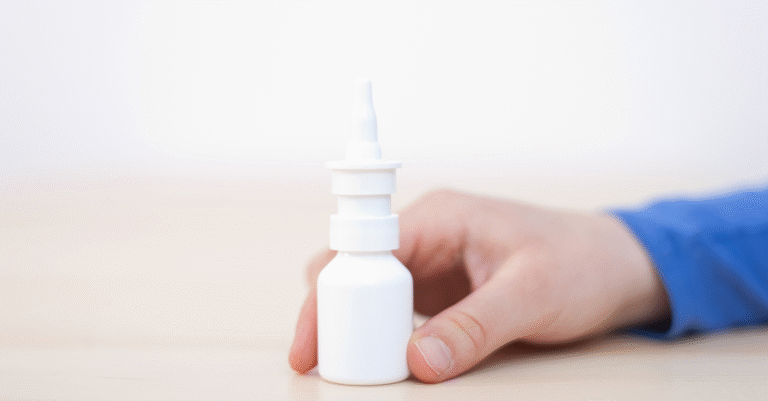
The below seizure rescue medications are approved by the U.S. Food and Drug Administration (FDA) specifically for this purpose, offering safe and effective options that can be administered outside of a clinical environment. The availability, forms, and approved uses of these medicines may vary by country.
Healthcare providers may recommend other medications for off-label use based on an individual’s specific needs and medical history. In emergency or clinical settings, medical professionals may also use other therapies as rescue interventions to stabilize patients.
Every person’s epilepsy is different, it’s important to work closely with a healthcare provider to develop a personalized seizure action plan that includes when and how to use rescue medication safely and effectively. You should always consult a physician before starting or adjusting any treatment and discuss the options that are best suited to your individual needs.
Who should consider rescue medications?
For some people with epilepsy, one seizure triggers subsequent seizures. This is called a seizure cluster, flurry, or group. Because a person’s first seizure increases their risk for additional seizures, a rescue medication can be very helpful. While these medications can’t prevent that first seizure, they can help decrease the risk of additional seizures on that day.
Individuals at risk for prolonged seizures may also benefit from rescue medications. A prolonged seizure is called status epilepticus, and it is a medical emergency. If a seizure lasts longer than five minutes (not including recovery time), there is an increased risk of it continuing, and a rescue medication may help.
Do rescue medications always stop seizures?
No, sometimes the seizure continues after a rescue med is given. People who are prone to seizure clusters should speak with their doctor about how long to wait before administering the medication, how long the medication might need to work, and when to go to an emergency room. As a general rule, if a seizure lasts longer than five minutes, immediate medical help is needed.

Educational Resources
Check out more CURE Epilepsy content on rescue meds.