

Groundbreaking Research Reveals “Leaky” Brain Barrier as Driver of Chronic Brain Damage in Retired Combat and Collision Sports Athletes
Featuring the work of CURE Epilepsy Taking Flight awardee Dr. Chris Greene
A recent study, led by teams at Trinity College Dublin and the FutureNeuro Research Ireland Centre, has pinpointed the mechanism linking some sports injuries to poor brain health. The research has identified a breakdown in the blood-brain barrier (BBB) as the key link between repetitive head injuries (RHIs) and long-term brain health issues in retired athletes.
The BBB acts as a “security gate,” letting in essential nutrients while keeping harmful toxins and inflammatory cells out. But when “leaky” it cannot perform this security job properly and becomes associated with the cognitive decline and neurological damage seen in some former athletes.
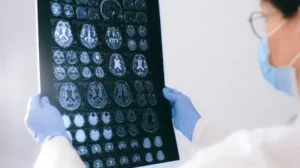
For the first time, researchers have shown that in athletes with a history of RHIs this gate remains leaky years after they have left the field. By using advanced MRI scans and cross-referencing data obtained in post-mortem brain tissue from athletes diagnosed with Chronic Traumatic Encephalopathy (CTE), the team discovered that this leakage allows inflammatory proteins to seep into the brain. These inflammatory proteins then trigger a cascade of damage, including the build-up of p-Tau, a toxic protein associated with Alzheimer’s disease and other forms of dementia.
“The study highlights that MRI scans focused on the BBB could serve as an early warning system, identifying athletes at the highest risk for future brain disease while they are still living and (potentially) playing,” said 2023 CURE Epilepsy Taking Flight awardee Dr. Chris Greene, first author of the paper and FutureNeuro StAR Lecturer.
As a next step, early intervention trials could investigate whether sealing the “leaky” barrier through new or existing drugs could slow down or even stop the progression of brain damage in at-risk athletes. Future research should follow current professional players throughout their careers to determine exactly when the barrier starts to fail, information that could help sports organizations refine return-to-play protocols and safety regulations.
The researchers now aim to expand the work to include a wider range of athletes, including those in women’s sports and amateur sports, to explore if these findings apply across all levels of collision/combat sports.
More Epilepsy Research News