


Tau Pathology in Epilepsy: Emerging Mechanisms and Translational Opportunities
Epilepsy is increasingly being diagnosed in older adults, especially after age 55. This creates a growing challenge for healthcare systems. Researchers have noticed a two-way connection between epilepsy and dementia: having one condition seems to increase the risk of developing the other. A key factor that may link them is a protein in the brain called tau.
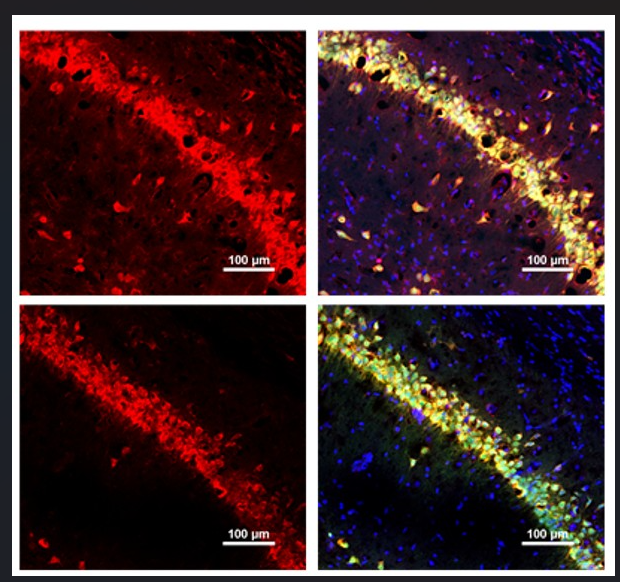
Normally, tau helps support healthy brain cells. However, when it becomes abnormal, it can change shape, build up into harmful clumps, and damage the brain. This process is already known to play a role in Alzheimer’s disease and other forms of dementia. A recent review article describes how abnormal tau may make brain cells more overactive, which can trigger seizures and affect cognition.
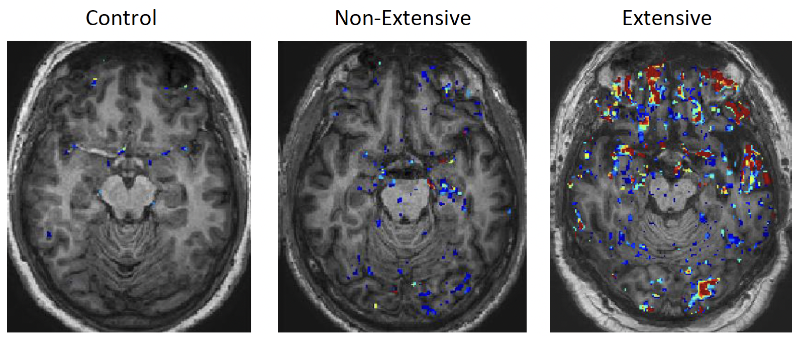
Researchers are working on new ways to detect early signs of brain damage in people with epilepsy without invasive procedures. These include brain activity tests, imaging scans, and biomarkers found in blood or other body fluids. Combining these approaches with monitoring of thinking abilities and physical health could allow doctors to track changes over time more accurately.
There is also growing interest in treatments that go beyond controlling seizures to actually slowing or preventing brain damage. One example is a drug called sodium selenate, which is being studied for its ability to reduce harmful changes in tau.
Overall, more research is needed to better understand how tau behaves in people with epilepsy. This could help explain why epilepsy and dementia are linked and lead to new treatments that improve both seizure control and cognitive health.
More Epilepsy Research News