
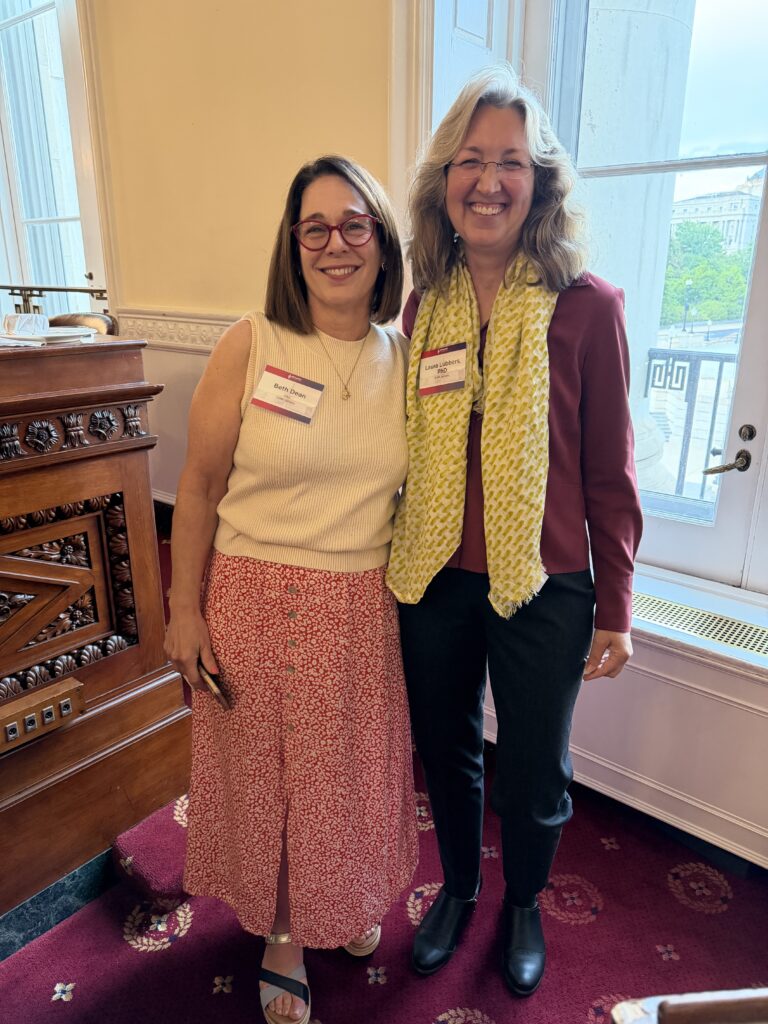
CURE Epilepsy CEO Beth Dean reflects on the 2026 Curing the Epilepsies conference
I left this year’s Curing the Epilepsies conference with one overwhelming impression: we’re approaching an inflection point in epilepsy research. The science isn’t just advancing—it’s accelerating.
While the meeting covered topics ranging from genetics to surgery to epilepsy across the lifespan, one theme emerged again and again: the pace of progress in epilepsy research is accelerating—and the next five years could look very different from the last twenty.
Disease Modifying Therapies On the Horizon
For decades, anti-seizure medications have been the foundation of epilepsy treatment, complemented by surgery, neurostimulation, and dietary therapies. These drugs remain an essential element of epilepsy care, and we continue to see new molecules in development. But researchers are also making meaningful progress toward therapies that target the underlying biology of disease.
Presentations highlighted a growing pipeline of exciting therapies aimed at the cellular, DNA, or RNA level, including gene replacement, gene editing, and other precision medicine approaches designed not only to control seizures, but to address their underlying causes. What once felt like a distant possibility is steadily becoming a reality.
Harnessing AI to Accelerate Scientific Understanding
At the same time, artificial intelligence and big data were recurring themes throughout the conference. Researchers discussed how AI is being used to analyze complex datasets, improve surgical planning, identify patterns that might otherwise go unnoticed, and help predict treatment response and clinical outcomes. Perhaps even more importantly, these technologies have the potential to dramatically accelerate discovery by helping researchers generate insights from data at a scale that was previously impossible.
Creating Infrastructure to Support Discovery
These advances are incredibly exciting. But they also raise an important question: Are we prepared for the future we are building?
Delivering next-generation therapies will require far more than scientific breakthroughs. Many of these approaches are significantly more complex than prescribing a medication. They will require specialized clinical expertise, new infrastructure, data integration, and collaboration across researchers, healthcare providers, industry, and patient advocacy organizations.
The conversations that resonated most with me were not only about discovery, but about readiness. How do we ensure that promising therapies reach the people who need them? How do we responsibly collect, integrate, and share data to accelerate progress? How do we build healthcare systems that can support increasingly personalized approaches to treatment? These are good challenges to have because they reflect how far the field has come.
I was also encouraged to see so many CURE Epilepsy-funded researchers presenting their work and joining these critical conversations throughout the conference. Their presence reinforced something we have long believed: investing in innovative ideas and talented investigators today helps create the breakthroughs of tomorrow.
Centering the People and Families We Serve
Lastly, one of the things that makes this conference especially meaningful is that each session begins with a person or family affected by epilepsy sharing their story. Those voices are a powerful reminder that scientific progress is never an end in itself. Whether we are discussing AI, gene therapies, precision medicine, or data sharing, the goal remains the same: improving the lives of people affected by epilepsy.
The science is advancing rapidly. Now we must ensure healthcare systems, research infrastructure, and collaborations advance just as quickly so these discoveries can translate into meaningful improvements for every person living with epilepsy.
 2026 Conference

More News from CURE Epilepsy