

My Story: Living Beyond Epilepsy
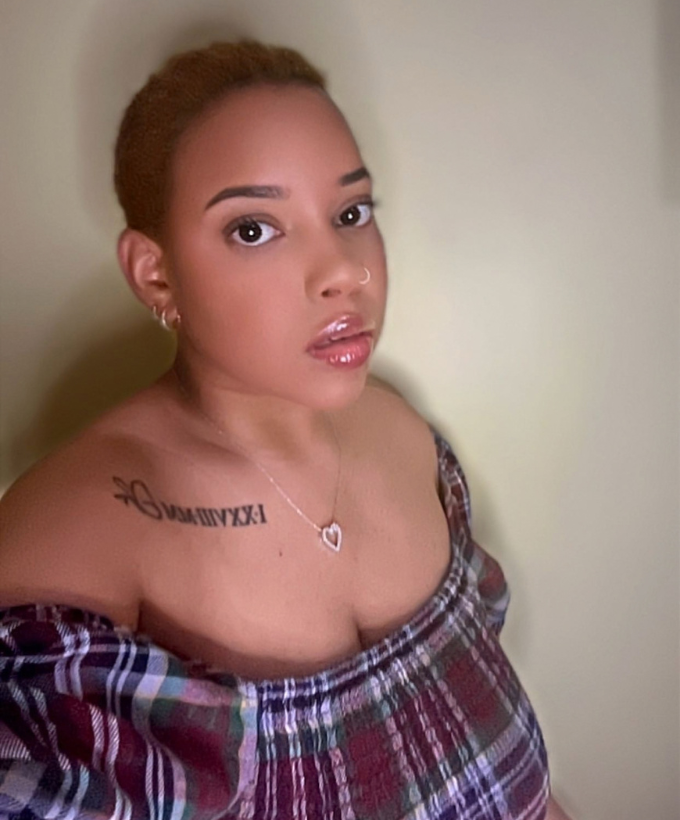
My name is Anya, and this is my story.
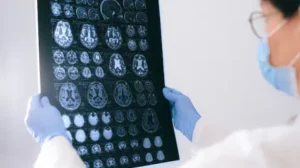
I was born with Hypoxic-Ischemic Encephalopathy (HIE), a brain injury caused by a lack of oxygen and blood flow to the brain. Because of HIE, I experienced seizures for eight years, which eventually led to me developing epilepsy. The effects of HIE also left me with a learning disability and a speech disability—challenges that I still live with today.
Every single day, I thank God that I have been epilepsy-free for 18 years and counting. That is something I will never take for granted. Although I no longer have seizures, I still struggle with learning and speech. Some things that may come easily to other people can take me more time, patience, and effort.
Growing up, I was bullied for much of my life. For a long time, I didn’t really understand why. But while writing my story, I started thinking about it differently. Maybe people judged me because of the way I looked, the way I spoke, the way I acted, or the way I learned. Whatever the reason, being bullied was painful, and it affected me deeply.
But my disabilities and my past do not define my entire story.
One person who has inspired me throughout my journey is Cameron Boyce. He was my favorite male actor, and I admired him long before I knew about his connection to epilepsy. I didn’t know that Cameron had epilepsy until after he passed away. Learning that made his story even more meaningful to me.
Cameron continues to inspire me because he used his platform to help others, and his legacy reminds me that we can turn something painful into something meaningful. I will never forget him or the inspiration he gave me.
I also want to give a very special thank you to Libby, Victor, and Maya Boyce for creating and continuing the work of the Cameron Boyce Foundation.
Thank you for helping bring awareness and education to epilepsy and for giving people a place where they can learn more about this condition. I hope the foundation continues educating people who live with epilepsy, families who have loved ones with epilepsy, and especially people who don’t have epilepsy but want to understand how to support someone who does.
Education matters.
Understanding matters.
Knowing what to do when someone is having a seizure can matter tremendously.
My hope is that by sharing my story, I can help someone else feel less alone. I want people with epilepsy, learning disabilities, and speech disabilities to know that their challenges do not make them less valuable. And I want people without these experiences to learn, listen, understand, and show compassion.
I am 18 years epilepsy-free and counting, but my journey continues.
I am still learning. I am still growing.
I am still finding my voice.
And I am proud to share my story.
Thank you for listening to my story.
What a cure for epilepsy would mean to Anya
A cure for epilepsy would mean so much to me because epilepsy has been a part of my life since I was very young.
I experienced seizures for eight years, and even though I have now been epilepsy-free for 18 years and counting, I still remember that epilepsy was something I had to live with. I know how scary it can be for the person experiencing seizures and for the people who love and care about them.
To me, a cure would mean that children would not have to grow up being afraid of their next seizure. Parents would not have to constantly worry about their child having a seizure. Families would have more peace, and people living with epilepsy could have more freedom to live their lives without epilepsy controlling what they can or cannot do.
A cure would also mean that fewer people would have to experience the challenges that can come with epilepsy. It would mean fewer families having to watch someone they love struggle and wonder when the next seizure might happen.
Even though I am blessed to be epilepsy-free today, I know that my story could have been very different. That is why I hope one day there will be a cure—not just for me, but for every person living with epilepsy.
I also want people who don’t have epilepsy to understand that epilepsy is more than just having seizures. It can affect a person’s life in many different ways, and people with epilepsy deserve understanding, patience, kindness, and support—not judgment.
A cure for epilepsy would mean freedom, hope, peace, and a future without fear.
And until that day comes, I will continue sharing my story, educating others, and helping people understand epilepsy. ❤️
I am 18 years epilepsy-free and counting, and I hope one day everyone with epilepsy can say the same.