
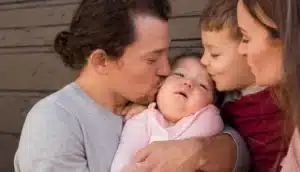


Ella’s first seizure is a moment that her mother, Shalee, will never forget. Shortly after her first birthday, Ella was getting over a cold. She was eating lunch when her arm began moving up and down and her body went limp.
The EMTs and emergency room doctor recognized that Ella was having a seizure and agreed that it was most likely febrile and harmless. But the arm movements were concerning, so the doctor ordered an EEG to be safe. Several days later, Ella had the EEG, which showed that she had epilepsy. The same day as she got her diagnosis, Ella had her first cluster of seizures. Shalee and her husband, Blake, brought Ella back to the hospital, where she had seizure after seizure.
The Cunneens Tried Everything
They held out hope that Ella would be part of the 60% of people with epilepsy who find relief, but her epilepsy was refractory. She has tried approximately 20 different medications, special diets, prolonged hospital stays, surgical consults, countless second opinions, all in the hopes of gaining seizure control.
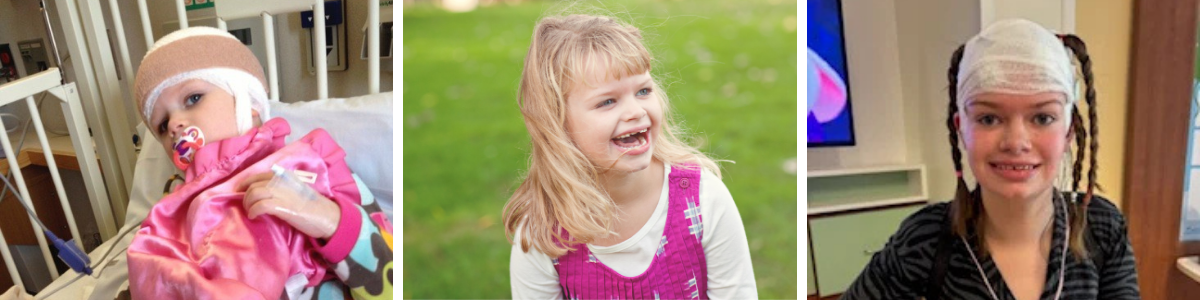
In addition to other seizure types, Ella has epileptic spasms, which are devastating to development. Her clusters of spasms can last over 15 minutes at a time and typically happen at night. “Having them at night is scary,” says Shalee, “because she needs to be watched around the clock. It took a while for us to learn about SUDEP and that she could die during one of these seizures.”
Shalee has slept in Ella’s room for the past 14 years to monitor her nighttime seizures. They have twin beds in Ella’s room. “It’s just nice to be able to reach over and know she’s laying there, and that she’s okay, and that she’s breathing,” says Shalee. “It’s scary. You never get to turn off. I’m always worried about the next seizure.”
In 2008, Blake was a member of our Board of Directors. He told Ella’s story and talked about why he and Shalee decided to support CURE Epilepsy in this short video.
Fueling Science with Ella’s Race
When Ella was diagnosed, Shalee and Blake wanted to learn everything they could about epilepsy. In their search for reputable information, they went to Charity Navigator and found 4-star CURE Epilepsy. They found a lot of their initial information through their resources, and also learned about the extreme need for research into the causes and treatment of epilepsy.
The Cunneens wanted answers. “We needed research,” says Shalee. “We needed a cure. With no seizures, no side effects. We wanted to help science to catch up.”
They also wanted to bring epilepsy awareness to their community in La Grange Park, IL, so they started Ella’s Race. The event was designed to be a space where friends and family could learn about epilepsy, while serving as a fundraiser for CURE Epilepsy.
Ella’s Race includes a 2.6-mile fun run, representing the 1 in 26 people who develop epilepsy, as well as a one-mile walk. It’s a place where friends and family gather to share snacks, music, smiles, fun, and hope.
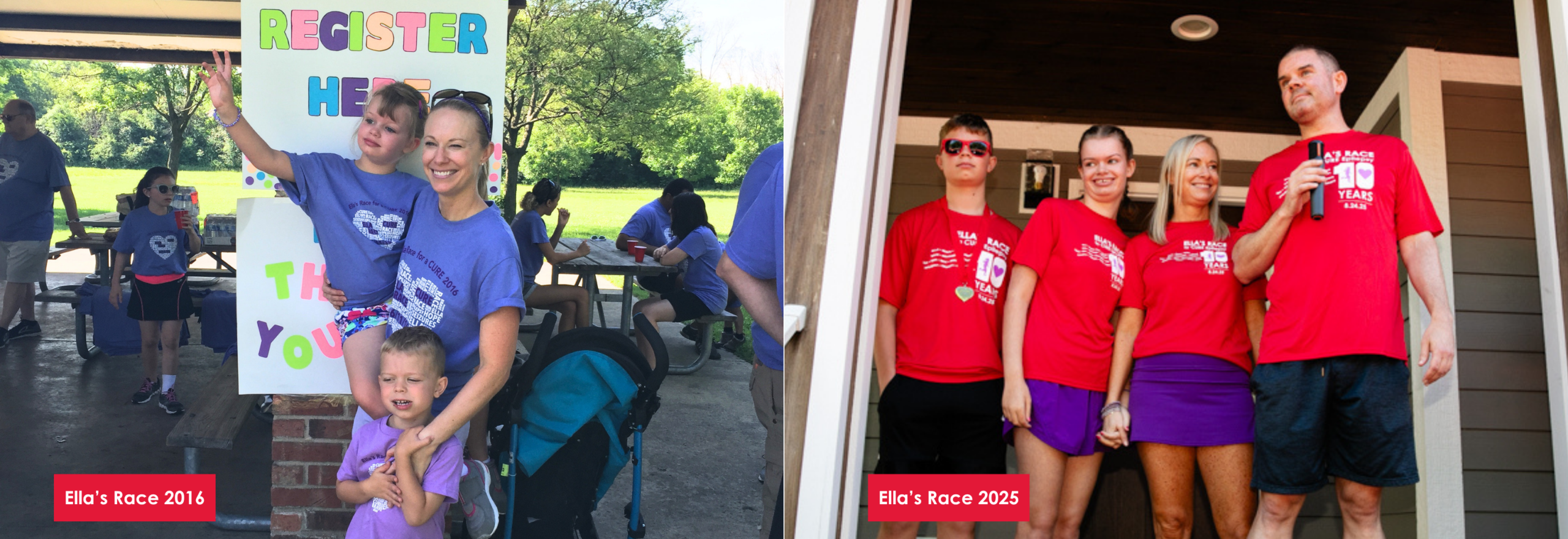
In 2016, the first Ella’s Race raised $20,000. The event has grown every year since then. Ella’s Race even continued during the COVID-19 pandemic, hosting a socially distanced walk with motivational signs along the route. For its 10th anniversary, the goal for Ella’s Race was to raise $250,000, high but not unreasonable. Every year new people show up affected by epilepsy and help Ella’s Race continue to raise funds and awareness.
Making the Epileptic Spasms Initiative Possible
Rare epilepsies, like epileptic spasms, often struggle to get the attention they deserve. Late-onset epileptic spasms (LoES) have been poorly understood with no firm definition or treatments plans. Those with LoES have little to no answers surrounding their diagnosis.
Shalee and Blake have used the success of Ella’s Race to drive research about this condition forward. Through a generous contribution to CURE Epilepsy, the Late-Onset Epileptic Spasms Project launched.
“A few years ago, we came to CURE Epilepsy and said, “Look, we want to fund an initiative that’s really targeting epileptic spasms. An amazing group was formed with doctors and researchers from all over the globe.” -Shalee Cunneen
This project aims to advance the understanding of LoES so that doctors can recognize these spasms faster, diagnose them more accurately, treat them more effectively, and manage them over time with evidence-based recommendations.
The Late-Onset Epileptic Spasms Project
Ella is 16 years old, and a ray of sunshine. She loves to sit outside and say hi to every neighbor and dog who walks by. She lights up every room she walks into. And her family will never stop advocating for her and doing all they can to move science forward.