


Seizure Disorder: The Disease, The Invisible Struggle, and Social Reality
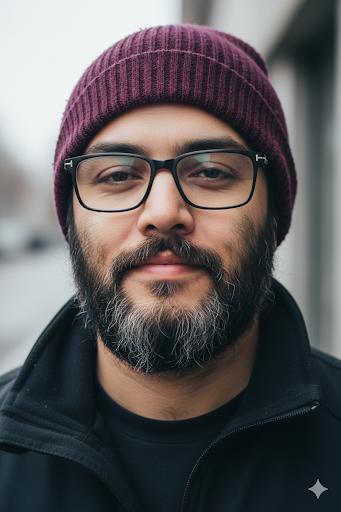
By Mohan Raj Thakuri, Darjeeling.
Human life is fluid, ever-changing and unpredictable. We all acknowledge this truth, and it is with this awareness that we navigate our daily lives. Yet, occasionally, life drags us to a certain terrifying edge where we lose absolute control over our own bodies and consciousness. Suddenly, darkness engulfs everything ; the fragile thread of awareness snaps mid-thought. When consciousness finally resumes back, you find yourself lying not on your feet, but on a cold floor or a hospital bed. Your body feels completely hollowed out, utterly exhausted, and you are surrounded by a suffocating circle of terrified, suspicious, or pitying faces staring at you. This is not a dramatic sequence from a movie. This is the harsh, daily reality of my life and an invisible struggle that my body, mind, and brain have endured for a decade. In the medical dictionary, it is classified as a “Seizure Disorder” or Having Fits. But in our local native vernacular, it is known as the ‘Ladne Bimar‘, ‘Chopeko’, ‘Chhare’ and few others to name. It is a condition that can strike anyone, at any age, though its root causes and reactive impacts vary.
In reality, this affliction is far more than a physical illness. It is an unmapped, mysterious, and deeply complex neuro-physical state and medical condition . Unless you have lived through it, it is virtually impossible to articulate the true depth and magnitude of its agony and the sheer claustrophobia of its onset. Today, I am breaking years of self-imposed silence as I intend to serve as the voice for thousands of people hidden within the biting fogs of Darjeeling—individuals who remain silent out of deep fear of social shaming. They suffer not merely from a medical condition, but even more so from a society blinded by prejudices, ignorance, a systemic void in public understanding, and the neglect of our local healthcare infrastructure. This article is not merely a page from my personal diary ; it is a realistic mirror held up to a misunderstood, vast, unseen and marginalized struggle within our community.
Every individual encounters a time in life when they begin to paint vibrant pictures of their future. That moment arrived for me as well, a time when I was brimming with energy, dreams, and genuine excitement. The year was 2016, a year permanently marked in my mind. After years of intense familial and personal hardships and financial struggles, I was finally mapping out a secure, prosperous future. I harbored a fierce desire to bring lasting joy to the faces of my aging parents, to prove my potential, and to find true success. I was stepping out into the warm sunshine of boundless possibilities, where the future seemed ready to embrace me.
But destiny had a different script for me perhaps. One regular morning, while sitting down for a Morning Meal with my family and watching a football match, unprecedented and unaware the first terrifying sudden storm of a seizure violently struck me. It triggered, the entire room spun out of control. Within seconds I could understand what was happening, my sensory organs failed, my consciousness snapped, and a total blackout ensued. When I finally awoke on a hospital bed, the first image that greeted me was the absolute terror, shock, and despair written across my family’s faces. The bright future I was preparing to chase vanished instantly into a thick fog of uncertainties. This single, unannounced electrical tempest shattered all my plans and expectations in one clean, devastating swipe. From that fateful day forward, my battle was no longer about scaling a career-graph or achieving conventional success ; it transformed into an existential fight for survival against the random electrical storms within my own brain. Every single day since, I have been fighting an invisible battle, where no physical weapons are drawn and no tangible enemy stands before me. It is a lonely warfare where the battlefield is my own Brain and the adversary is a microscopic flaw within my nervous system. To those observing from a safe distance, this condition is easily dismissed as mere “shaking” or a temporary “fit.” But in truth, it is an agonizing ordeal that completely destroys the body and spirit, leaving one entirely fractured from within.
Myths vs. Reality: The Brain’s “Short-Circuit”
Perhaps no other physical or medical condition in our society is burdened with as many myths, prejudices, and outdated misconceptions as this neurological condition . What exactly is a seizure disorder? Modern medical science has categorically proven that it is not the consequence of some past-life sins (purva-juni ko paap), divine wrath or the anger of clan deities (Kul bigreko), a curse or witchcraft (boksi ko baan) etc. It is purely a neurological condition, intricately tied to the functional neurological architecture of the human brain.
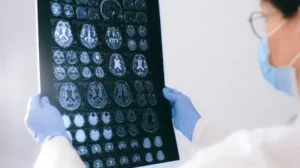
Our brain houses billions of microscopic nerve cells called neurons. These neurons continuously communicate with one another using subtle electrical impulses. Our ability to walk, speak, think, feel, see, and manage every sensory function depends entirely on this continuous electrical dialogue. However, occasionally, an abrupt, uncontrolled, and highly disorganized surge of electrical activity occurs in a specific region of the brain. This sudden surge or trigger is what we define as a seizure.
To understand this in layman’s terms, envision a household electrical grid. When a main power line suddenly experiences a short-circuit, a violent spark flies, and all connected appliances either malfunction or instantly shut down. Similarly, a seizure is merely the outward physical manifestation of a temporary “short-circuit” within the brain’s neural network. During this episode, the vital communication lines between the brain, the nervous system, and the body’s senses are temporarily severed or disconnected. This internal disruption triggers the highly visible, involuntary physical symptoms such as violent convulsions, eyes rolling upward, a locked jaw, a complete loss of consciousness, and a body that turns rigid and cold. This is an entirely physical, biological process. There is absolutely no supernatural element at play.
The Hidden Dimensions the Seizure Episode The World Fails to See
The true anatomy of a seizure extends far beyond the brief window of physical shaking. It consists of distinct phases that remain entirely invisible to the public eye :
- The Terrifying Premonition (Aura): For many and mostly, the nightmare begins with an ‘Aura’—a sensory or psychological warning It often manifests as a distorted sense of déjà vu, or a sudden, unexplained metallic taste or smell. It brings with it an intense, terrifying feeling that the visual world around you is collapsing inward.
- The Loss of the Self: During the peak of the seizure, all control over the body and mind evaporates. Whether it takes the form of a silent, unmoving blank stare (absence seizure) or violent physical convulsions, the person you know temporarily ceases to exist. Their consciousness is completely swallowed by a dark void or blacked out phase.
- The Agonizing Aftermath (Post-Ictal Phase): The phase following the seizure is a grueling, painful physical and mental reboot. Imagine waking up with hours of your immediate memory completely erased. You don’t remember anything and woke up confused and retarded. Your muscles ache intensely, as though you have just run an exhausting marathon or did a intense workout, and a crushing fatigue settles deep into your bones beyond your control.
The Delicate Balance of Tradition, Culture, and Modern Science
Our hill region and the broader South Asian culture hold a distinct and revered place for ancient customs and traditions. Preserving cultural identity, social rituals, and community solidarity is beautiful, provided these practices inflict no harm. Historically, before the dawn of modern medical science, our villages relied heavily on traditional healers, herbalists, and local medicine men who utilized indigenous knowledge and forest remedies to manage various ailments. Their historical contributions during public health crises are undeniable, and that legacy carries its own inherent weight.
However, the world has evolved rapidly. In the 21st century, medical science has achieved major breakthroughs. While we can respect our cultural heritage socially, relying entirely on archaic practices, exorcisms, or faith healing (jharfuk) to treat complex neurological conditions is dangerous and self-destructive.
The human brain is an important yet exceptionally delicate and complex organ ; it is the central command station of all human senses and nervous system. In a neurological condition like Seizure Disorder, the brain’s electrical balance is deeply disrupted. Correcting this requires the precise biochemical intervention of modern anti-epileptic medications. When a family outright rejects modern medicine and wastes precious months running after shamans (dhami jhakri), occultists, or unauthorized herbal remedies, the patient’s condition deteriorates severely. Medical science warns us that every single time an uncontrolled seizure occurs, it inflicts permanent damage on millions of neurons within the brain. Respecting tradition is honorable, but blind faith that actively rejects science pushes the patient to a point of no return. Drawing a sharp, uncompromising line between cultural faith and modern scientific treatment has become an absolute necessity for our society today.
The Realities of Social Stigma
We cannot comprehensively discuss this disease without confronting its most agonizing facet: the persistent, biting social stigma that has historically surrounded it. The pain of this condition is never restricted to physical suffering alone. Our regions – Darjeeling, Kalimpong, Kurseong, Sikkim, and neighboring areas possess a closely-knit social fabric. People live in warm proximity, looking out for one another. While this closeness is generally a blessing, it transforms into a heavy burden for a seizure patient. In tight-knit villages and tea estate settlements (kaman-basti), the moment someone is diagnosed with this illness, the news spreads like wildfire. What follows is a silent, agonizing cycle of whispers, covert exclusion, and an unannounced social boycott.
Tragically, within our communities, this disease is still widely misinterpreted as a sign of “intellectual deficiency,” a “contagious ailment,” or a “hereditary curse.” Driven by a paralyzing fear of public shame and family dishonor, households are frequently forced to conceal the illness. Patients are sometimes locked away in dark rooms, entirely excluded from social gatherings, marriages, community festivals, and celebrations, just so the community never catches a glimpse of their “flaw.” This systemic concealment completely isolates the patient, stripping them of their basic social rights, safety, and access to timely medical care.
This social stigma inflicts a devastating toll on the younger generation, particularly on women. When marriage negotiations take place in our society, if a history of seizures is revealed, the individual’s qualifications, character, and inherent beauty are instantly reduced to zero. Relationships collapse before they can even commence. The exact same discrimination thrives within the employment sector. Our hill economy relies almost entirely on tea gardens, tourism, the hospitality industry, and small private enterprises. If an applicant honestly discloses their condition during an interview, employers look past their competence and intellect entirely. Driven by the narrow-minded fear that a public seizure might tarnish their business’s reputation, they outright refuse employment or summarily terminate existing workers. I have personally tasted this bitter reality. It is essential for society to understand that a seizure disorder is completely non-contagious. It does not diminish a human being’s intellectual capacity or baseline intelligence. Individuals fighting this condition do not seek shallow sympathy or condescending pity (bichara). They merely demand an inclusive environment where their medical condition does not define their identity, affording them an equal opportunity to chase their dreams.
Public Reaction and First-Aid Ignorance
Even today, the collective reaction of the public when a person suffers a seizure in an open public space remains shocking, archaic, and deeply unhelpful. Whether it is the crowded lanes of Chowk Bazaar in Darjeeling, the motor stand in Kalimpong, inside a shared syndicate vehicle, or within a bustling market, the sight of a patient collapsing and convulsing throws the public into a panicked frenzy of unscientific, cruel behavior.
In the name of providing assistance, individuals will remove old, mud-caked, foul-smelling shoes, sleepers or socks and forcibly shove them under the patient’s nose. Others frantically rub raw onions on their skin, or try to violently pry open a locked jaw to jam in iron keys, metal spoons, or stones. These practices are the horrific byproducts of absolute ignorance. Forcing metal objects into a convulsing mouth frequently shatters teeth, cuts deep into the gums and tongue causing severe bleeding, or even worse, pushes the object into the windpipe, resulting in instant choking and death on the spot. Shoving a dirty shoe or sleepers in someone’s face is nothing short of a direct assault on human dignity and carries zero medical validity. Even more heartbreaking is the growing modern trend where onlookers choose to film videos of a suffering human being on their smartphones, casually commenting that the person must be heavily intoxicated or on drugs. What a supreme irony and societal tragedy ! How many more decades will it take for our developed society to comprehend that a person experiencing a seizure requires no ancient rituals or unscientific commentary? They simply require your calm awareness and basic common sense.
If this internal electrical storm strikes someone in your presence, please remember these critical, life-saving first-aid measures:
- Protect the Head: Immediately clear the surrounding area of sharp objects. Place a soft folded cloth, a jacket, or a pillow underneath the patient’s head to prevent severe head injury from hitting the hard ground.
- Turn Them Gently on Their Side: Once the active convulsions slow down, gently roll the patient onto their side into the recovery position. This is the most effective way to keep their airway open and allows any accumulated saliva or fluid to drain safely out of the mouth, preventing choking.
- Optimize the Environment: Loosen tight clothing around the neck, such as ties, tight collars, or scarves. Disperse the crowding onlookers to ensure a steady flow of fresh air.
- Remain Patient and Calm: Never force anything into their mouth, and do not attempt to violently hold their limbs down. Simply sit beside them quietly. A typical seizure subsides naturally within two to three minutes. Your calm, supportive presence is their greatest Medical emergency services or ambulances should be sought immediately only if the active seizure lasts longer than five minutes.
The Dark Internal Shadow of the Mind
Outwardly, I present the portrait of a conventional life. I participate in social programme, anchor or host various events on stage, share my thoughts through articles, and immerse myself in creative writing. My limbs function perfectly, my speech is clear, and I walk through society like anyone else. Yet, the sheer terror, instability, and fractured nature of my inner world is something only my soul truly comprehends. And I am not alone ; many others survive silently in their own corners just like me.
The greatest torment of a seizure disorder is not the actual two or three minutes of unconsciousness or convulsions prior to that nor is it the physical shaking of the fit. The torment that truly hollows a person out mentally is the ceaseless, agonizing anxiety of the unknown “When will the next seizure trigger?” or “Where will it catch me?” and “Will I ever wake up from it ?” This persistent sense of fear erodes self-confidence, turning a human being into a helpless prisoner within their own skin. Simple, everyday actions such as crossing a busy street, climbing a uphill or stairs, sitting near an open hearth, boiling a kettle of tea in the kitchen or cooking a meal, or going out or traveling alone are lived under an invisible, razor-sharp sword of fear and psychological stress. This constant psychological stress naturally brings on chronic depression and a deep, aching loneliness. The massive emotional void created by a judgmental society is something no medical textbook or dictionary can ever fully capture or explain. It is a silent internal storm that systematically dismantles a person’s mental health over time.
The Unseen Caregiver’s Burden
This illness never limits its damage to the patient alone; it ravages the entire family unit financially, socially, and emotionally. My parents and my family have lived through every single jolt, every dark blackout, and every frantic emergency hospital run alongside me. I have watched a permanent mask of fear settle into my mother’s eyes, and witnessed the deep, quiet helplessness on my father’s face. My father is no longer in this physical world, but I remember vividly how he would sacrifice his own nights, walking silently to my room, checking if my breathing was normal, ensuring I wasn’t quietly convulsing in the dark. Today, my brother bears that heavy, midnight watch. Seizures that strike during sleep are exceptionally dangerous and can easily turn fatal.
A patient’s natural human desire to live normally, build a career, and support their family is constantly threatened by setbacks brought on by this disease and our society’s narrow mindsets. The emotional toll this takes on parents cannot be measured. They do not merely worry about their child’s immediate safety; they are haunted every single hour by a terrifying question: What will happen to our child when we are gone? How will this cruel society treat them?
Healthcare Deprivation and the Tragedy of the “Golden Hour”
While our public lacks baseline medical awareness, our policymakers commit an even irresponsible and huge error by failing to understand that a seizure disorder can rapidly escalate into a fatal emergency. In neurology, there is a critical condition known as Status Epilepticus, a severe condition where a seizure lasts continuously for more than five minutes, or where multiple seizures occur back-to-back without the patient ever regaining consciousness in between. This is a catastrophic medical emergency. The brain is starved of oxygen and vital blood supply. If intensive, specialized care or an ICU bed is not accessed within the critical “Golden Hour,” the patient can suffer permanent brain damage, severe paralysis, or even loss of life. This reality forces to ask a sharp, uncomfortable question : Are our government hospitals in Darjeeling, Kalimpong, Kurseong, and surrounding regions infrastructural, technically, or logistically equipped to handle such critical emergencies? The answer is heartbreaking, bitter, and deeply painful.
Our regional government hospitals suffer from a complete absence of specialized neurologists ; they simply do not exist in the public sector here. To secure proper neurological care and regular follow-ups, a patient from these hills must either pay high fees at private clinics or embark on a grueling journey down to Siliguri, or even further to distant metropolitan cities like Kolkata, Chennai, or Delhi. When you factor in our treacherous hill geography, the constant threat of monsoonal landslides, narrow highways, and unmanaged traffic jams, rushing a critical patient down to the plains is a direct gamble with death. We have been silent witnesses to countless tragedies where patients have lost their lives inside ambulances along the highway due to a lack of onboard oxygen and essential emergency medications.
Compounding this problem is the absolute lack of basic diagnostic infrastructure, such as affordable EEG (Electroencephalogram) machines and high-resolution MRI scanners in our local government hospitals. This represents a stark failure of our healthcare policy. Added to this is the financial drain of lifelong medications. These heavy anti-epileptic drugs come with severe, long-term side effects including chronic mental fog, physical tremors, memory degradation, organ stress, and drastic weight fluctuations, effectively draining a patient’s financial, physical, and mental vitality.
The Shortcomings of Medical Professionals and Public Bodies
A doctor’s duty cannot begin and end with hastily scribbling a prescription for expensive medicines while sitting in a chaotic, dirty overcrowded government OPD clinic. In developed health ecosystems worldwide, managing seizures demands mandatory psychological counseling and therapy alongside pharmacological diagnosis and treatment. Sadly, this integrated approach is virtually nonexistent in our local healthcare frameworks. Our medical personnel frequently fail to gauge the crushing depression, intense social anxiety, and deep-seated inferiority complexes that burden these patients, failing to provide the basic comfort and reassurance they desperately need.
Consider the immense, multi-billion rupee national campaigns launched by our governments, healthcare ministries, NGOs, and the World Health Organization to eradicate polio, tuberculosis, malaria, HIV/AIDS, or cancer. Why is there a complete absence of a similar national or regional public health initiative for seizure disorders? Are those surviving with this neurological condition not recognized as citizens of this nation? It is high time that healthcare organizations and public health departments step out of their comfortable offices and organize dedicated medical camps, informative street dramas, and awareness seminars across our rural villages and tea gardens to uproot these toxic superstitions. Thus far, this critical issue has been systematically buried in the dark corners of hospital clinics, ignored by those with the power and authority to change it.
The Responsibility of Educational Institutions
On a very significant note, to win this battle against ignorance and societal prejudices, the foundational work must begin within our educational institutions – our schools and colleges. Academic spaces must be more than factories for just learning academics and gain exam certificates of different grades ; they are meant to be the true engines of social transformation and social enlightenment. Yet, it is a great tragedy that our modern school curriculum contain zero practical education, health awareness, or basic first-aid training regarding common neurological conditions.
Imagine a scenario where a student suddenly experiences a seizure in the middle of a classroom, on a sports field, or during the morning assembly. Are our teachers, professors, or school administrators technically or emotionally trained to handle this scientifically? In the vast majority of cases, a complete lack of awareness causes teachers themselves to panic. They resort to dangerous, unscientific steps, or forcibly jam objects into the child’s mouth, placing the student’s life in immediate jeopardy. Even worse, ancient prejudices run rampant among peer groups within these institutions. Classmates routinely mock, isolate, and label the affected student with derogatory nicknames, creating a deeply toxic environment. Broken by this systematic bullying, the victim is forced to endure deep psychological trauma, often leading them to drop out of school and abandon their education permanently.
Our schools and colleges must institute mandatory first-aid training and specialized workshops on handling neurological emergencies for their entire staff and student body. Until our younger generation learns directly inside their classrooms that a seizure is merely a temporary, treatable physical imbalance of the nervous system and not an affliction caused by ghosts, spirits, or divine anger – the fundamental consciousness of our society will remain frozen in the past.
A Call to Action: The Demands for Reform
As I pen this article, let it be clear that I am not begging for empty public sympathy, charity, or patronizing pity. I am standing firmly on my rights as a citizen of this country, demanding basic human empathy from my society and deep structural reform from our healthcare apparatus. I place these urgent, non-negotiable demands before our medical departments, educational boards, state governments, district administrations, and society at large:
- A Legal End to Inhumane Practices: The horrific public acts of forcing patients to smell dirty shoes, shoving metal objects into their mouths, branding their flesh, tying them up with ropes, or withholding medical care in favor of superstitious rituals must be completely outlawed. Those practicing these cruelties must face strict legal prosecution and punishment.
- Institutional Promotion of First-Aid Protocols: The government must launch wide-scale public awareness campaigns. Accurate first-aid protocols (such as rolling the patient into the recovery position and ensuring environmental safety) must be taught systematically to commercial drivers, local shopkeepers, traffic police personnel, social workers, and the general public.
- A Revolution in Healthcare Infrastructure: Permanent, dedicated neurologists must be appointed at the Darjeeling District Hospital, as well as the sub-divisional hospitals of Kalimpong and Kurseong. Our local government hospitals must be equipped with subsidized, fully functional EEG facilities, high-resolution MRI units, and 24/7 life-support neuro-emergency and ICU wards.
- Affordable access to Lifelong Life-Saving Medicines: Anti-epileptic medications are incredibly expensive and must be consumed daily, often for an entire lifetime. The government must institute immediate policy changes to provide these critical drugs entirely free of cost, or at highly subsidized rates, through government hospital pharmacies and fair-price medicine shops, ensuring that economic poverty never forces a human being to forfeit their treatment.
- Integration of Health Curricula: Neurological health, mental wellness, and foundational first-aid emergency training must be integrated as mandatory subjects within school and university curricula. Public health boards and NGOs must collaboratively take creative awareness campaigns, like street plays and localized seminars, deep into our rural belts and tea gardens.
- Guaranteed Equality of Opportunity in the Workplace: Individuals surviving with this condition must be legally guaranteed a safe, honorable, and discrimination-free working environment. The discriminatory practice of terminating or denying employment based solely on a medical diagnosis must be strictly prohibited.
History shows us that individuals living with this condition can become exceptionally skilled professionals, deeply loving partners, and brilliant citizens who shape human civilization. From global figures like Julius Caesar, Albert Einstein, Charles Dickens, and Leo Tolstoy, to legendary athletes like cricketer Jonty Rhodes—all navigated the world while managing this exact neurological condition. They did not need society’s discrimination; they simply required scientific treatment, equal opportunities, and an inclusive human perspective.
Conclusion: A Candle in the Tempest and an Unbroken Hope
The long, grueling, and deeply lonely battle that began for me on that terrifying morning in 2016 has taught me one absolute truth: no matter how severely this physical body betrays me, and no matter how violent and agonizing the electrical storms within my brain become, there is no medicine or science in the world more powerful than absolute human willpower, resilience, and the sheer grit to survive. I have fallen down more times than I can count. I am thrown to the ground repeatedly, left physically shattered and mentally exhausted. My immediate dreams and life plans have been broken midway, and I stand before a deeply uncertain future. Yet, every single time, I rise. I dust myself off, and I learn to walk forward again, to fight back, and to smile. I have mastered the art of cradling a fierce hope in the very midst of absolute uncertainty. This survival is not my weakness; it is my ultimate strength.
To all my fellow warriors, those silent combatants fighting this exact condition in their own lonely corners, I say this: Never allow your heart to be poisoned by an inferiority complex, guilt, or shame. This condition is not your fault. It is not a cosmic punishment for past-life sins. It is simply a physical, neurological challenge that we have been called upon to face. Step out of the shadows of a defeatist mindset. Look society squarely in the eyes, use your voice to demand your rights, actively dismantle the myths around you, and live your life entirely on your own terms with fierce dignity and absolute pride.
Before I lay down my pen, I leave our supposedly civilized, highly educated society, our intelligentsia, and our policymakers with one final question: Will we choose to remain trapped in this 21st century, wandering aimlessly within the suffocating fogs of ignorance, superstition, archaic cruelties, and policy neglect? Or will we finally take a bold step forward into the clear, bright sunshine of science, modern consciousness, human rights, and a robust, compassionate healthcare system? I urge you to think deeply. I am locked in a battle with the electrical storms of my brain, and I will continue to fight them until my very last breath. But I hold an unshakeable faith that through the readers of this essay, the tempest of public ignorance, prejudice, and systemic apathy will finally quiet down. A new dawn of consciousness will break over our hills, forging a safe, inclusive, and genuinely healthy social space. The rest, inevitably, will fall into place.
(About the Author: The writer has been engaged in a continuous battle with a seizure disorder. He writes extensively on diverse socio-political issues, and this article is born entirely out of his lived personal experience and analytical perspective.)