


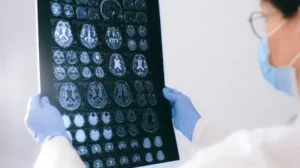
Our son was diagnosed with hydrocephalus as an infant, and we thought we understood the shape of what was ahead: shunt surgery, follow up scans, watching for warning signs for the rest of his childhood. Then came a second diagnosis we were not prepared for. After a bout of meningitis, he developed epilepsy.
Two neurological conditions meant two specialists, two sets of medication schedules, and a kind of vigilance that never fully switches off. Some nights the fear was about shunt failure. Other nights it was waiting for a seizure that might or might not come. Epilepsy has a way of taking a moment that should be ordinary, a nap, a car ride, a bath, and making it something you have to think about.
What surprised me most was how little practical, plain language guidance existed for parents living this reality day to day. So I started writing down what we learned, in the language I wished someone had used with us when we were most afraid. That became Brain Care Path, a resource built by a parent for other parents navigating pediatric epilepsy and hydrocephalus together.
Our son is doing well today. Recovery has not been a straight line. There have been setbacks and long plateaus alongside real, hard won progress. He is here, growing, and building a life that looked uncertain in those first difficult months.
What a cure would mean for Muhammad and his family
It would mean our son gets to stop living around a condition that could interrupt anything at any moment. It would mean no more calculating risk before every swim, every sleepover, every ordinary childhood moment. It would mean the vigilance that has quietly shaped our family for years could finally rest. Most of all, it would mean he gets to define his own life by what he chooses to do, not by what epilepsy allows.