
Epilepsy Research Grant Opportunities
CURE Epilepsy awards grants for novel research projects that address finding the cures for epilepsy and address the goal of “no seizures, no side-effects.”
Scientific Advisory Council (SAC) members may not apply for funding from or participate in grant funding recommendations for CURE Epilepsy while serving on the SAC.
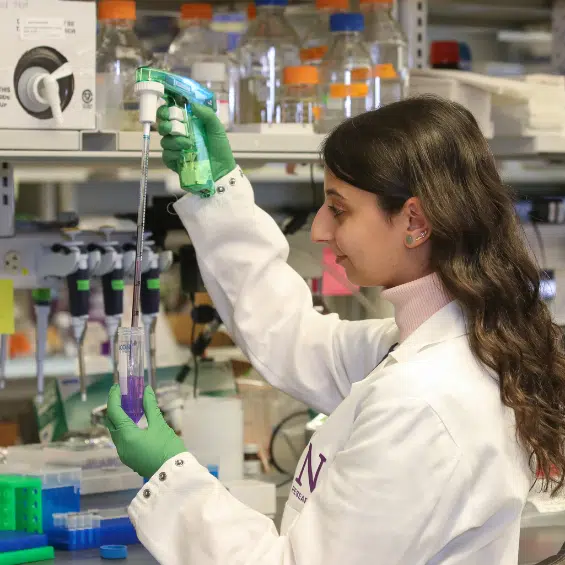
Taking Flight Award
-
Overview
The Taking Flight Award (1.5 years / $125,000) seeks to promote the careers of early-career investigators to allow them to develop an independent research focus.
-
Eligibility & Sample LOIs
You must fall into one of the following categories to be eligible for the Taking Flight Award:
-
A postdoctoral fellow with a PhD, PsyD, PharmD, or equivalent and a minimum of two years postdoctoral experience at the time of submission. Applicants must submit a letter of support from their direct supervisor/mentor. For applicants with less than three years of post-doctoral experience, this letter must include a statement from the mentor, clearly articulating a plan to guide the applicant through the project, helping them develop an independent research focus, and encouraging them to think independently and strategically.
-
A researcher with an appointment as an Instructor or Research Assistant Professor who has yet to obtain significant funding (e.g., RO1 grant or equivalent) and has an on-site mentor committed to advising the applicant.
-
A faculty member at the assistant professor level who is within one year of having been appointed.
-
Clinician-researchers who are within two years of their faculty appointment.
-
A clinical fellow who is pursuing a residency in the following areas: neurology, neurosurgery or neurocritical care, and considering an epilepsy-focused fellowship.
International applicants are welcome; you do not have to be a US citizen or working in the US to apply for this award. All materials must be submitted in English.
Examples of LOIs that have successfully move to the full proposal stage:
-
-
Budget
Requests may be made for up to $125,000 for eighteen months. Funding requests may include salary support for the PI, technical staff and/or collaborators; supplies, animal costs, publication fees etc.; and travel to an epilepsy-related conference if the PI is presenting his/her CURE Epilepsy-funded research. Funds are not to be used to purchase equipment. Indirect costs are not supported.
-
Key Activities and Dates
Activity Approximate Date Open Call for Letters of Intent Wednesday, November 25, 2026 Letter of Intent Deadline Wednesday, January 6, 2027, 9pm ET Full Proposal Invitations Thursday, February 18, 2027 Full Proposal Deadline Monday, March 22, 2027, 9pm ET Anticipated Award Notification End of July 2027 Anticipated Project Start Date Friday, October 1, 2027
Catalyst Award
-
Overview
The CURE Epilepsy Catalyst Award (2 years / $250,000) supports nimble development of data necessary to advance ideas toward larger commercialization funding opportunities and is not intended to replace those opportunities.
Please refer to the Request for Proposals for an overview of the priority areas, application instructions, and FAQs.
-
Eligibility
This award is available to independent researchers at or above the level of Assistant Professor (or equivalent) at universities and non-academic research institutions, including small biotechnology companies, that seek to develop new interventions for epilepsy. International applicants are welcome to apply. Postdoctoral fellows may not apply for this award. All materials must be submitted in English.
-
Budget
Requests may be made for up to a total of $250,000 paid over 2 years. Funding requests may include salary support for the PI, technical staff and/or collaborators, supplies, animal costs, etc., and travel to an epilepsy-related conference if the PI is presenting his/her CURE Epilepsy-funded research. Limited equipment purchases that are required to complete goals will be considered. Indirect costs are not supported.
-
Key Activities and Dates
Activity Approximate Date Open Call for Letters of Intent Wednesday, November 25, 2026 Letter of Intent Deadline Wednesday, January 6, 2027, 9pm ET Full Proposal Invitations Thursday, February 18, 2027 Full Proposal Deadline Monday, March 22, 2027, 9pm ET Anticipated Award Notification End of July 2027 Anticipated Project Start Date Friday, October 1, 2027
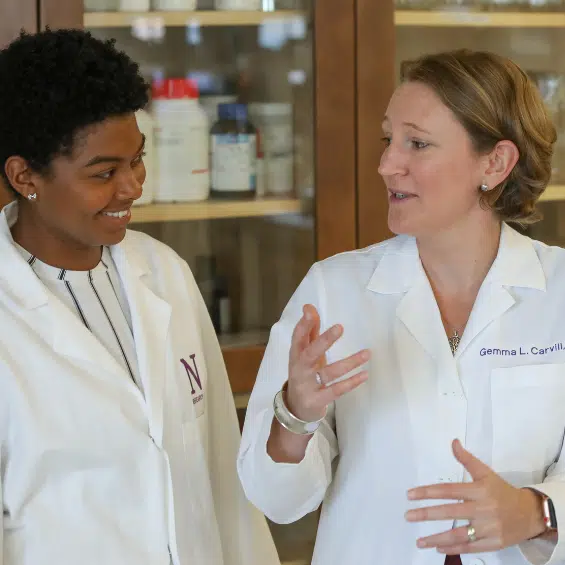
GRANT PROCESS
1. VISION SETTING
CURE Epilepsy’s research vision is set by the CURE Epilepsy Board of Directors, Scientific Advisory Council, and CURE Epilepsy Research Team.
2. REQUEST FOR PROPOSAL (RFP)
RFPs are born out of CURE Epilepsy’s Strategic Vision and outline the research topic areas and requirements for the grant year.
3. LETTER OF INTENT
LOIs are short letters from potential CURE Epilepsy grantees that succinctly and clearly describe their proposed research project and its relevance to CURE Epilepsy’s mission.
4. LOI REVIEW
LOIs are reviewed and scored by the Research Team and scientific peers by criteria outlined in the RFPs.
5. FULL PROPOSAL STAGE
Applicants whose LOIs are invited will submit full grant proposals that contain detailed scientific and budget information for the proposed CURE Epilepsy project.
6. FULL PROPOSAL REVIEW
Each full grant proposal is reviewed by three external scientific reviewers and a person with lived experience of epilepsy. People with lived experience ensure that the stakeholder point of view is critically represented in the grant review process.
Scientific reviewers are assembled for each grant mechanism and each grant review cycle. Applications are then discussed amongst the reviewers and CURE Epilepsy Research Team and scored.
7. RESEARCH COMMITTEE REVIEW
Applications are discussed with the CURE Epilepsy Research Committee, which is made up of CURE Epilepsy Board members and volunteers, to ensure alignment with CURE Epilepsy’s mission. Funding recommendations are then developed and presented to the CURE Epilepsy Board of Directors.
8. BOARD OF DIRECTORS APPROVAL
The CURE Epilepsy Board of Directors has final approval of all grants that are funded by CURE Epilepsy each cycle.
Epilepsy Research News