


Are Comorbid Sleep Disorders Associated with Higher Risk for Sudden Unexpected Death in Epilepsy? Observations from a Canadian Epilepsy Clinic
Originally published in Epilepsia
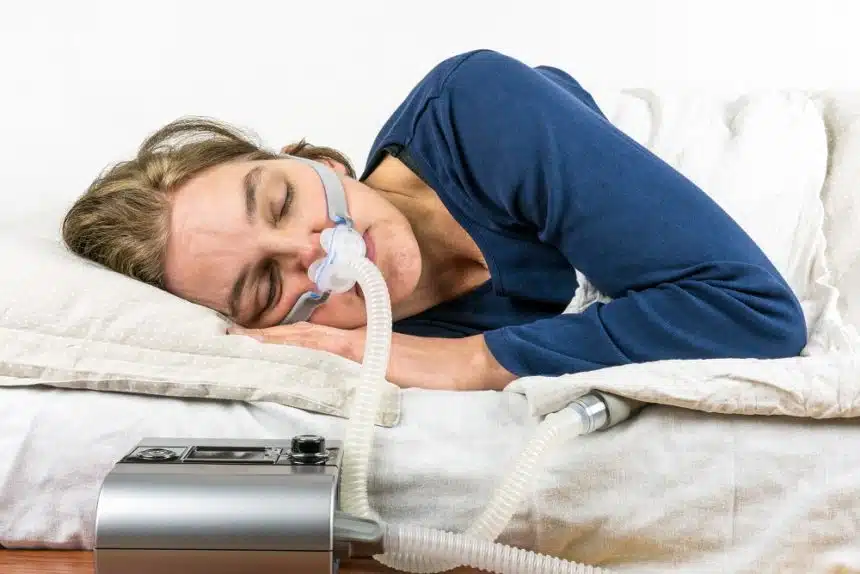
People with epilepsy are nearly three times more likely to die than the general population. Around 80% of sudden unexpected death in epilepsy (SUDEP) occurs during sleep, and sleep disorders are common in people with epilepsy. While many studies have focused on predicting SUDEP, few have examined whether diagnosed sleep disorders increase SUDEP risk or other causes of epilepsy-related mortality.
This study investigated the relationship between primary sleep disorders and SUDEP risk. Researchers reviewed the medical records of 1,506 people with active epilepsy between 2018 and 2022. Data included demographic information, epilepsy history, sleep diagnoses, accidents, hospitalizations, and deaths. Of the 1,506 participants, 376 had diagnosed sleep disorder and 1,130 did not.
The researchers found that those with sleep disorders had a greater estimated SUDEP risk as well as higher all-cause mortality and accidents, but not hospitalizations. Patients with sleep disorders also more frequently reported poor sleep quality, including nighttime awakenings, irregular sleep schedules, and excessive daytime sleepiness. Limited sleep study data suggested that reduced sleep efficiency and more nighttime arousals may also be associated with higher SUDEP risk, although larger studies are needed.
These findings suggest that routine screening and treatment of sleep disorders may improve risk assessment and could become an important part of epilepsy care. Future prospective studies are needed to determine whether treating sleep disorders can reduce SUDEP risk and broaden the understanding of mortality risk in epilepsy.
Related Research News