

Epilepsy Gene Implicated in Severe Migraine Disorder
Researchers have identified mutations in the gene SCN2A as a new cause of Familial Hemiplegic Migraine (FHM), a rare and severe form of migraine that can cause temporary weakness or paralysis on one side of the body during attacks.
To uncover new genetic causes of FHM, investigators studied a large family affected by the disorder using advanced genetic sequencing techniques. They discovered a rare SCN2A mutation that was present in all affected family members but absent in unaffected relatives. Additional screening of other families and nearly 600 unrelated patients with hemiplegic migraine identified two more rare SCN2A variants, suggesting the gene may play a broader role in the condition.
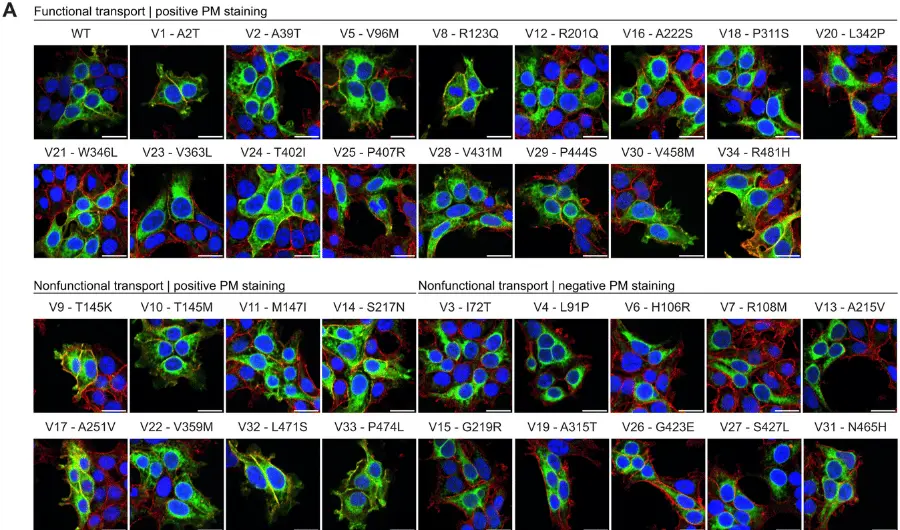
SCN2A encodes the Nav1.2 sodium channel, a protein that helps regulate electrical signaling in the brain. The gene has previously been associated with epilepsy and neurodevelopmental disorders, including autism spectrum disorder. Functional testing showed that all three migraine-associated mutations altered how the sodium channel responded to electrical signals and changed how quickly it activated and inactivated. Computer simulations further demonstrated that the altered channels made neurons more “hyperexcitable,” meaning they fired more easily and remained active longer than normal.
The findings strengthen the idea that migraine is fundamentally a disorder of abnormal brain excitability and further highlight biological connections between migraine and epilepsy. The discovery also expands the range of disorders linked to SCN2A dysfunction and may help improve genetic diagnosis for patients with unexplained hemiplegic migraine. In the future, understanding how specific SCN2A mutations affect brain signaling could help guide more targeted treatment approaches.
Latest from the Community