

Inroads into Epilepsy through High-Frequency Oscillations: Achievements and Benchmark Areas for Improvement
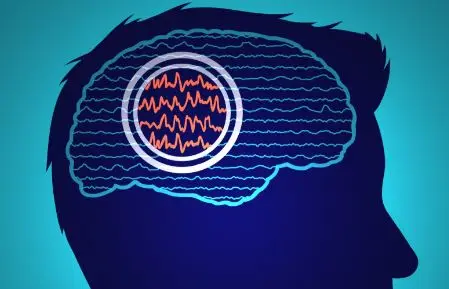
A recent publication by CURE Epilepsy grantee Christos Lisgaras, PhD, and colleagues describes the importance of high-frequency oscillations (HFOs) in understanding abnormal brain activity. Simply put, HFOs are brief, low-amplitude EEG events that, when combined with other EEG biomarkers, such as interictal spikes, spike-ripples, spike-gamma activity, and others, improves the ability to localize epileptogenic tissue and predict surgical outcomes.
A major advance in the field is the demonstration that HFOs can be recorded noninvasively using scalp EEG and MEG. Scalp HFOs show promise as biomarkers for seizure risk, disease severity, treatment response, and prognosis after a first seizure, particularly in pediatric epilepsies. HFOs have also been identified in other neurological conditions, including traumatic brain injury, brain tumors, stroke, and Alzheimer’s disease, where they may represent early markers of pathological network dysfunction.
Experts in the field conclude that HFOs are best viewed as context-dependent biomarkers rather than uniform events. They propose several areas for future research including: improving detection and standardization, elucidating cellular and circuit mechanisms, developing targeted interventions that suppress pathological HFOs, enhancing clinical usability in epilepsy surgery, and expanding diagnostic and prognostic applications beyond epilepsy.
Overall, the publication positions HFOs as a rapidly evolving research domain with growing translational relevance, while highlighting critical gaps that must be addressed before widespread clinical adoption.
Latest from the Community