



No Two Experiences with Epilepsy Are Exactly the Same
Epilepsy is not just one thing. It’s a vast range of experiences, diagnoses, seizure types, severity, lifestyle adjustments, treatment options, and so much more. For Epilepsy Awareness Month 2026, let’s raise awareness of how diverse epilepsy truly is.
All month, we will be posting personal stories from the epilepsy community that help illustrate how differently this condition can show up in people’s lives.
Stories Are Powerful
Epilepsy needs to be better understood from both a scientific and social perspective. Without awareness of epilepsy and how it can impact lives, people with epilepsy often face stigma and discrimination. Research has found that epilepsy misconceptions and stigma are to some degree culture-specific.
In addition, studies show that stigma can damage a person’s understanding of themselves. Scientists have also seen that stigma worsens treatment adherence and disease management, which contribute to poor outcomes.
But, importantly, this damage is mediated by other people’s attitudes and behaviors towards people with epilepsy.
Reducing stigma is complicated, because it exists on many different levels. Institutions, cultures, and public opinion all contribute in different ways — but it is possible. When used in conjunction with broader strategies, storytelling has been shown to help change public attitudes, especially if the story is coming directly from someone with lived experience.
Your story has power. For the chance to have your story featured, submit it here.
Due to volume, we won’t be able to post every submission in November 2026, but changing public perception is a year-round endeavor. Stories submitted this month may be featured later in 2026 or 2027.

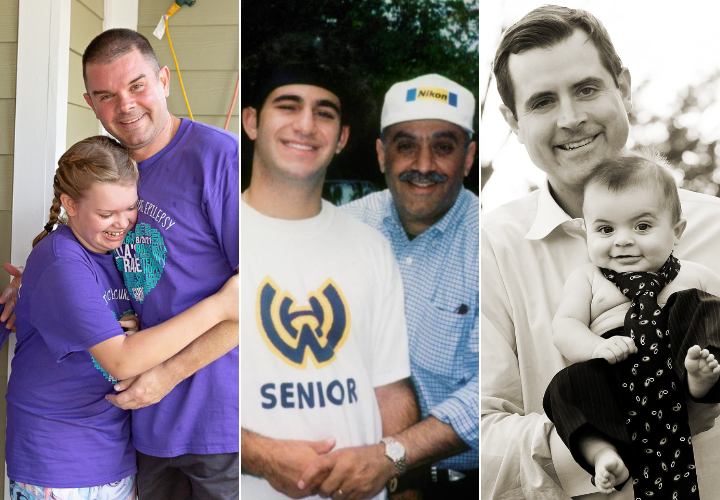
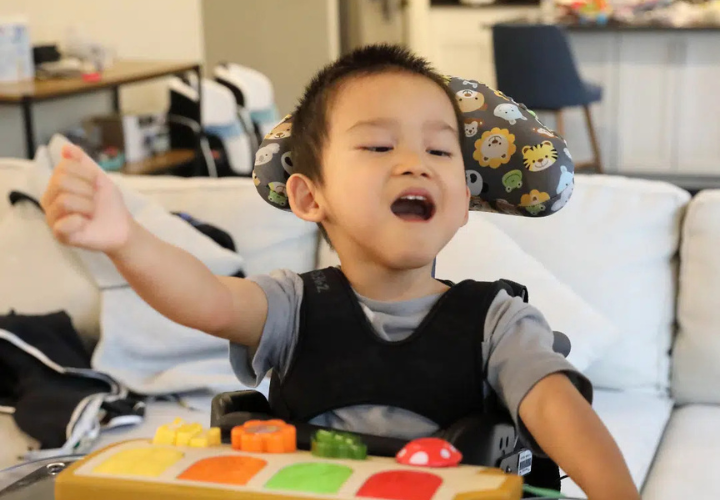
Stories of Perseverance and Hope
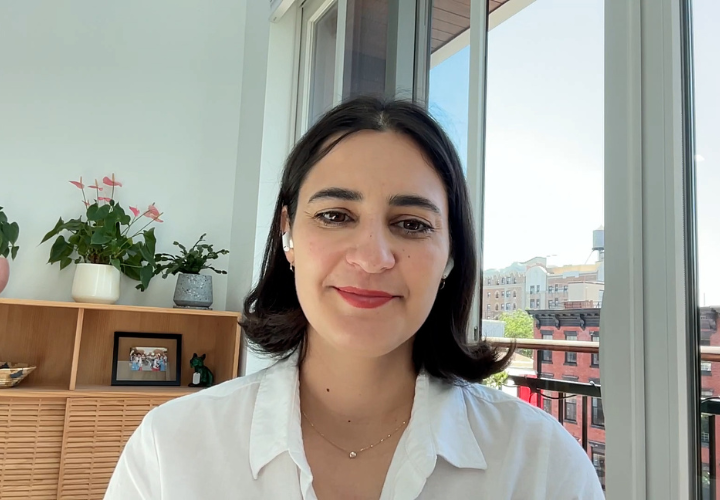






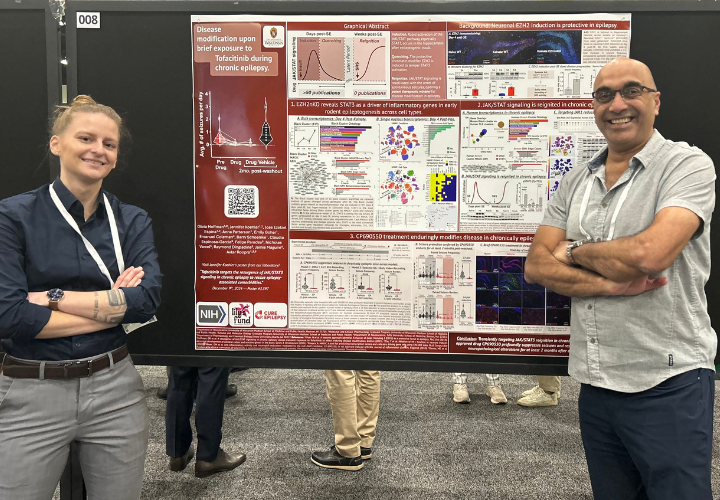
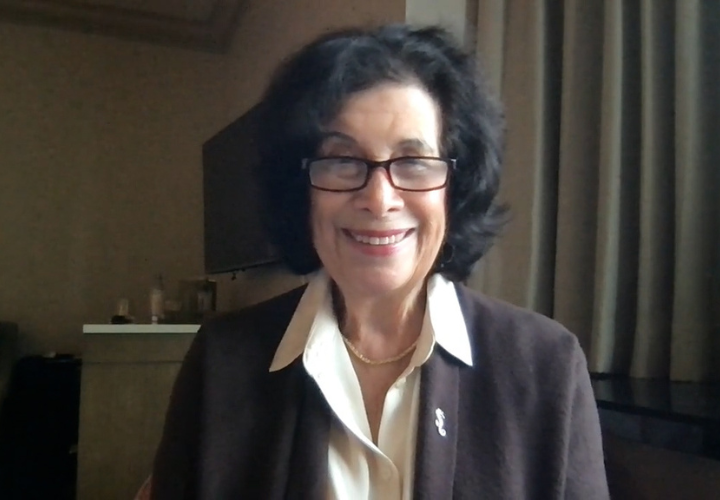
Stories of Science and Progress

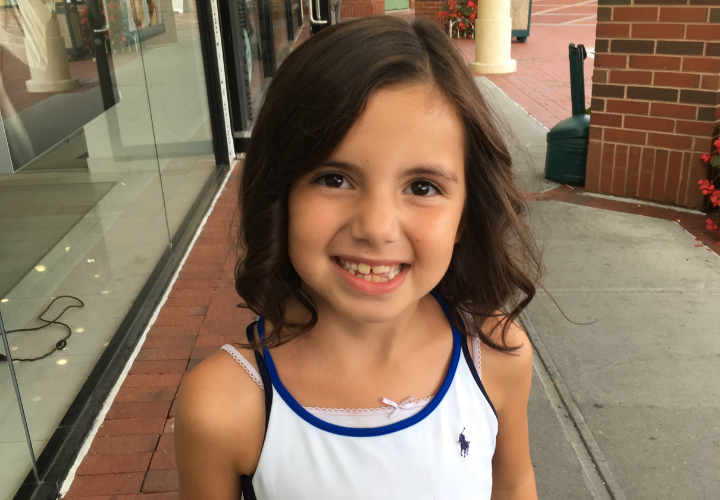
Stories of Loss and Grief



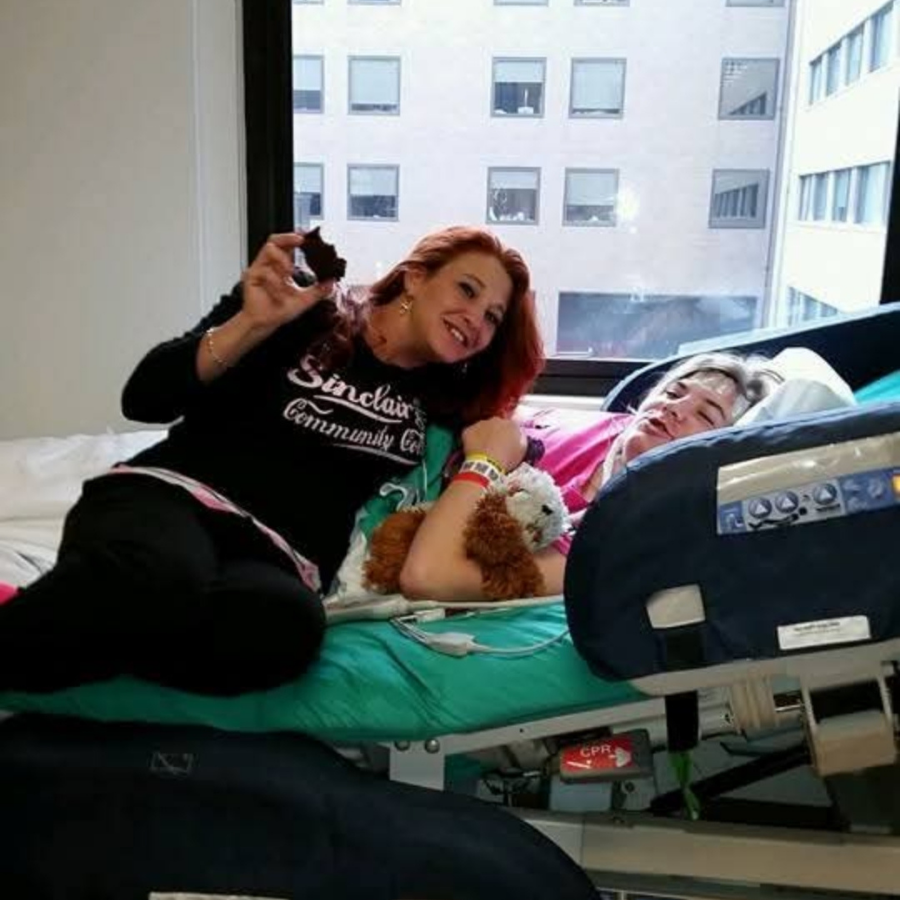
Community Stories


Give to Fuel Epilepsy Research
3.4M
Americans live with epilepsy
1/3
of people living with epilepsy are not controlled by medication