


Impact Report 2025–2026
A look at our collective accomplishments over the past year, as well as advancements in epilepsy research.

A look at our collective accomplishments over the past year, as well as advancements in epilepsy research.
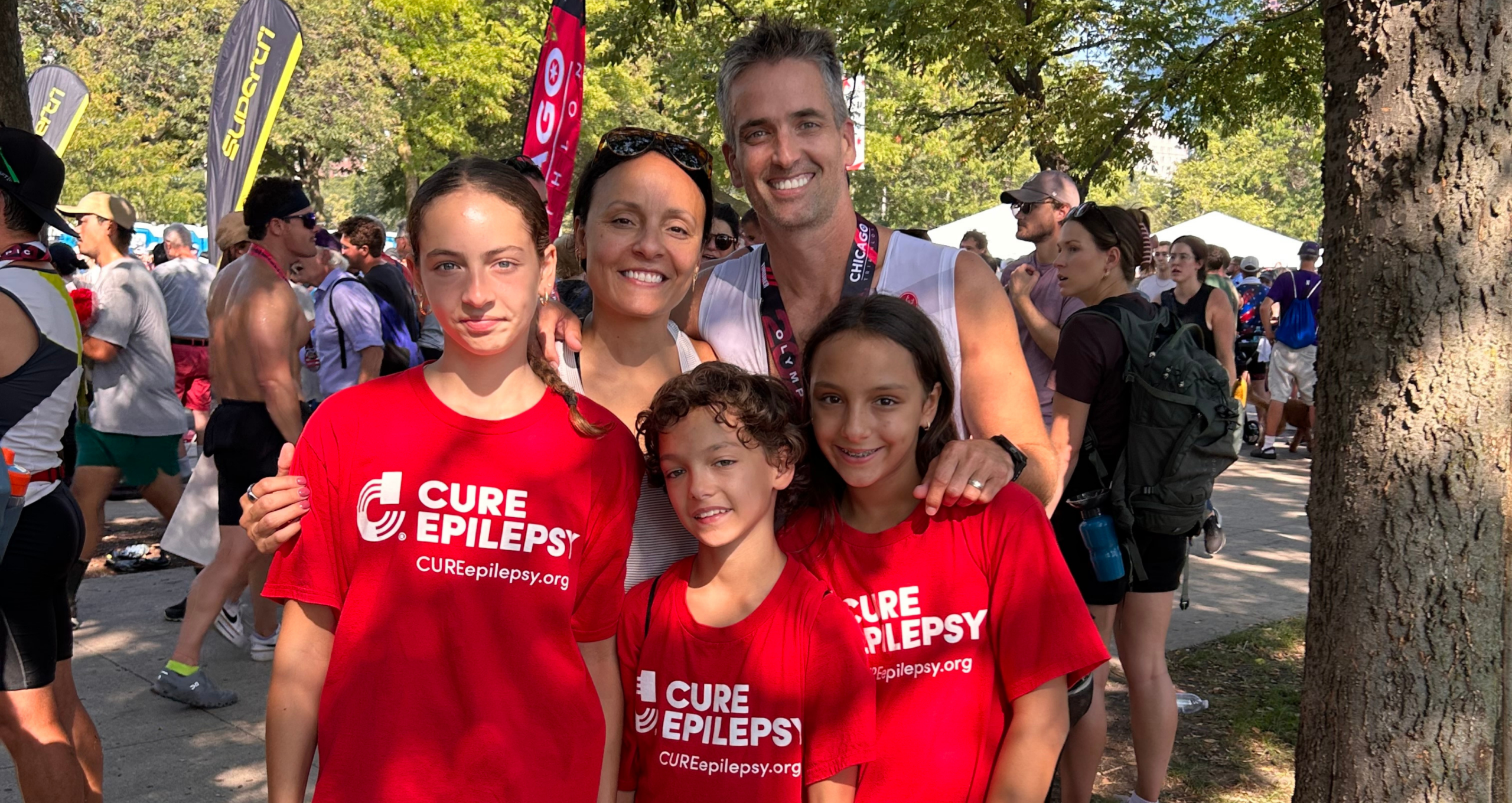
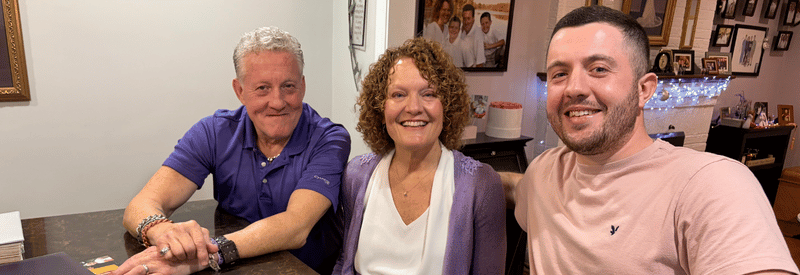
Our son, Silas, has Sturge-Weber syndrome, which caused him to develop epilepsy at nine months old. To our family, a cure for epilepsy would mean freedom. Silas would be free from his medications and could choose his path in life without being limited by seizures. And we would be free from the fear of his next seizure. We fundraise for CURE Epilepsy because the freedom we crave can only come from investment in innovative science. We know they won’t stop until Silas and millions of others are free from epilepsy.
Silas's Parents and CURE Epilepsy Champions


Dear Friends,
The past year has tested the resilience of the epilepsy research community in unprecedented ways, but it has also reinforced what is possible when people come together around a shared purpose.
Because of your support, CURE Epilepsy has continued to push critical research forward at a moment when scientists and institutions are facing extraordinary challenges. Across the biomedical research landscape, operational disruptions, procedural interference, and ideological screening have left researchers scrambling to protect years of work and keep promising projects alive. Early-career investigators are being hit especially hard, with many questioning whether they can remain in academic research at all.
This reality makes your support of our mission more urgent than ever.
Over the past year, your generosity has enabled CURE Epilepsy to continue investing in bold science, supporting early-stage researchers, and bringing together scientists, clinicians, families, and advocates committed to accelerating cures. In this report, you’ll read about important progress across several areas of our work, including:
All of these achievements are powered by you and our entire community of donors. In an increasingly unstable funding environment, your donations and advocacy have helped CURE Epilepsy remain nimble and responsive.
Our grants have long served as critical early investment for researchers pursuing new ideas, and today that support is more important than ever. We are currently initiating a new grant program to bridge gaps created by delayed or reduced federal funding so that promising epilepsy research does not lose momentum (see How We Are Meeting the Moment below).
Scientific progress depends on continuity — and on people willing to stand behind it during difficult moments. We see this resolve in the researchers refusing to give up on breakthrough ideas, in the families transforming hardship into advocacy, and in supporters like you who believe deeply in the possibility of a future free from seizures.
Thank you for making our work possible. Your generosity and partnership continue to move us forward toward better treatments, better outcomes, and ultimately, cures.
With gratitude,

Beth Lewin Dean, CEO
Beginning in 2025, unprecedented changes to the medical research enterprise created a huge need in our research community. In response, we launched a focused fundraising campaign.
Our board, close friends, and industry partners have already committed more than $600,000, enabling us to start making grants to fill critical gaps and keep research progress moving forward. Our goal is to grant $1,250,000 to sustain past grantees across two new grant mechanisms by the end of the year. If you’d like to learn more about this special effort, contact Alysha Biehl at Alysha.Biehl@CUREepilepsy.org.
increase in applications from early-career investigators year over year
scientific reviewers

Lay the groundwork for a non-invasive therapy to treat intractable childhood epilepsy. Co-funded in partnership with the Focused Ultrasound Foundation.
Learn More
Build a device that uses light to shut down seizure activity and test the treatment in a large‑animal model of focal, drug‑resistant epilepsy.
Learn More
Complete safety testing of a potential new epilepsy therapy, SN-2000, and determine safe dosing levels. Gobi Grant, funded through the generosity of James Westwood, Caspar Jebsen, and the supporters of their Gobi Desert ultramarathon effort.
Learn More
Test whether a gene therapy approach to treat gain-of-function GRIK2-related epilepsy can improve seizures and other behaviors in a new mouse model of the condition. Co-funded by the CureGRIN Foundation.
Learn More
Study seizures in a mouse model of CTNNB1 syndrome, as well as understand seizure histories and how quality-of-life is impacted in individuals with CTNNB1 syndrome. Co-funded by CTNNB1 Connect and Cure.
Learn More
Characterize seizures, cognition, and brain pathology in a “humanized” mouse model that carries a gain-of-function KCNQ2-DEE variant, as well as develop and test a novel, targeted genetic therapy to treat KCNQ2-DEE. Co-funded by the KCNQ2 Cure Alliance.
Learn More
Study how epilepsy changes the way CCK interneurons work and whether fixing their activity can reduce seizures and improve memory, motivation, and behavior. Made possible through the Kathleen and John McKenna and Family Grant.
Learn More
Study why astroglial brain cells sometimes stay in a disease state in drug-resistant epilepsy and look for therapies to return them to a normal state.
Learn More
Develop a novel antisense oligonucleotide (ASO) strategy to treat certain DEE syndromes caused by haploinsufficency.
Learn MoreMahboubeh has forged a path towards research independence through skill, grit, and determination, despite facing systematic discrimination in her home country of Iran. She is a thoughtful and innovative scientist who is focused on understanding and alleviating behavioral impacts of epilepsy and is well on her way to research independence.
Mentor and previous CURE Epilepsy grantee


Develop an ASO therapy that provides a potentially safer alternative to brain cooling as a way to reduce seizures and prevent neuronal damage.
Learn More
Test whether precise control of high frequency oscillations (HFOs) can provide powerful new therapeutic options.
Learn MoreAs a Scientific Advisory Council member and grant reviewer, I have firsthand knowledge of the quality of the applications CURE Epilepsy receives for its investigator-initiated awards. I continue to be impressed by the rigor and creativity of applicants, as well as the impact these lines of funded research go on to have years into the future. From preventing epileptogenesis to innovative wearable devices, these latest grantees are truly on the cutting edge of epilepsy science.
University of Wisconsin-Madison

The goal of this project, which brings new researchers and disciplines into the epilepsy field, is to more effectively identify those who are at high risk of SUDEP and ultimately prevent this tragedy. A key outcome will be the development of a SUDEP knowledge base that will use cutting-edge AI technology to consolidate all research on SUDEP for use across disciplines. These awards were co-funded with the Epilepsy Foundation and are part of our broader SUDEP Risk Assessment and Prevention Initiative. A special thank you to the Benninghoven-Schafer family and other donors.
Identify which children are at highest risk of SUDEP and which medications are safe to use in this population, with the aim of guiding clinical care.
Learn More
Use AI to bring together clinical records, genetic information, seizure and sleep data, and decades of research to better understand why SUDEP happens and make the information accessible to the research community.
Learn More
Analyze patterns in heart rhythm, breathing, brain activity, arousal, and sleep to uncover measurable warning signs of risk.
Learn More
Thanks to the generosity of the BAND Foundation, we published our SUDEP Common Data Elements (CDEs). These preclinical tools are a way for teams to work more effectively together.
Learn More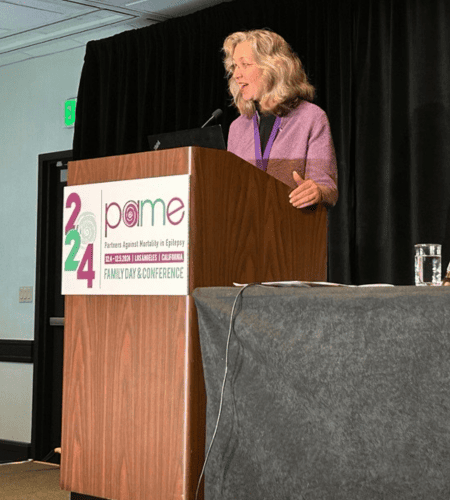
In partnership with Partners Against Mortality in Epilepsy (PAME), the UK’s Epilepsy Research Institute (ERI), and SUDEP Action, CURE Epilepsy published a roadmap to SUDEP prevention in Epilepsy Currents.
Learn More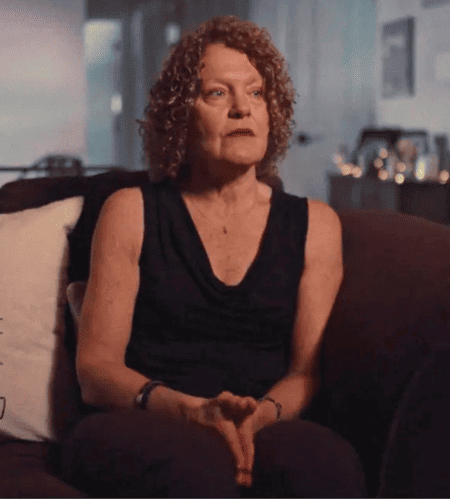
Thanks to the generosity of the Dylan Dreamed Foundation, we created a SUDEP video featuring grantee Dr. Ann Poduri’s Boston Children’s Hospital lab and the life of Anthony Maffie.
Learn MoreThe impact of our research grants will be felt for years to come as research lines continue to progress and awardees mentor the next generation of epilepsy scientists. Recently, we released a survey to past grantees about the transformative impact of our funding over time.

Dr. Knowles discovered a new mechanism with her 2018 Taking Flight Award, enabling the launch of her independent research lab.
“Support from CURE Epilepsy (Taking Flight and CURE Epilepsy Awards) led to our discovery of a new mechanism of epilepsy progression called maladaptive myelination.
“This discovery helped to launch my independent basic and translational lab at Stanford University, and its expanding research program focused on mechanisms of epilepsy progression and novel therapeutics to prevent or reverse that process.
“Support from CURE Epilepsy also enabled my research team to successfully apply for NIH funding, setting the stage for longer term, sustainable research.”
–Juliet Knowles, MD, PhD, Stanford University
Since receiving her 2016 CURE Epilepsy Award, Dr. Simeone’s work has identified novel SUDEP risk factors and led to new preventative interventions.
“Over the past decade, our preclinical research has helped improve patient care in several ways.
“First, we found that the risk of SUDEP can increase over time when problems with breathing and heart function emerge. These findings supported the development of devices that monitor heart rate, breathing, and blood oxygen levels.
“Second, we showed that sleep deficiency can increase SUDEP risk. This finding supported the promotion of optimal sleep habits as an important part of epilepsy care.
“Third, our studies found that neuropeptides in the brain, including orexin, may contribute to breathing failure in preclinical SUDEP. This work has encouraged further research and discussion about drugs that block orexin in treatments of epilepsy, sleep, and SUDEP risk.”
–Kristina Simeone, PhD, Creighton University
Dr. Khambhati’s 2019 Taking Flight Award may change the way we think about neurostimulation devices for people with drug-resistant epilepsy.
“The scientific findings from this award have contributed to our fundamental understanding of how brain “pacemaker” devices that deliver closed-loop electrical pulses impact seizure-generating networks in drug-resistant focal epilepsy.
“While existing models of responsive neurostimulation pointed to early seizure termination as a target for seizure control, our work during this award suggests chronic neuromodulatory effects of ongoing brain stimulation during seizure-free (interictal) periods may be a key driver of the treatment effect.
“A significant impact of these findings is the potential to shift the goal from “terminating seizures when they happen” towards “rewiring the brain networks that produce seizures in the first place.”
–Ankit Khambhati, PhD, University of California, San Francisco
Newborns with hypoxic ischemic encephalopathy (HIE) face devastating seizures, and, unfortunately, many do not respond to available medications. Dr. Shilpa Kadam received a 2022 Robert Withrow Wier Catalyst Award to investigate a novel approach to treating HIE that targets the chloride co‑transporter KCC2; she was able to secure important proof-of-concept data for a novel drug candidate for intractable epilepsy.
Now, four years later, biotech Axonis Therapeutics is translating that academic work into first-in-human clinical studies. This exciting research not only brings hope for babies with HIE but may also open the door to new treatments for difficult-to-manage seizures and restore healthy brain signaling across multiple neurological disorders.
Dr. Bin Gu has secured an NIH R01 grant, enabling larger-scale studies on the biological mechanisms underlying SUDEP. Dr. Gu’s research aims to identify genetic factors that increase vulnerability to SUDEP and physiological warning signs that may precede fatal events.
CURE Epilepsy initially funded this work because of its innovative approach. Rather than relying on a single mouse strain, Dr. Gu studied multiple, genetically diverse strains, reflecting the complexity of epilepsy and SUDEP.
This strategy identified four strains that experienced sudden death after a single seizure, creating powerful new models to study genetic, respiratory, and cardiac triggers of SUDEP. Building on these findings, Dr. Gu’s NIH-funded research will test whether closed-loop stimulation of an area of the brainstem during seizures can prevent SUDEP and further define the underlying cellular mechanisms.
Developmental and epileptic encephalopathies (DEEs) are a group of rare and severe epilepsies that begin early in life and are often resistant to current medications. Individuals with DEEs frequently experience seizures, developmental challenges, and limited treatment options, placing a heavy burden on patients and families.
Lundbeck’s DEEp OCEAN Study is a global Phase 3 clinical trial evaluating LP352 (bexicaserin) as a potential new treatment for people living with DEEs. The company is studying bexicaserin across a myriad of rare epilepsies; some are closely linked to a specific genetic, structural, or metabolic cause and others may have multiple possible causes — or no clear cause at all.
By using a novel trial design, enrollment criteria is open to different types of DEEs, which helps rare communities who may not otherwise have a specific trial to enroll in. Results of the DEEp OCEAN Study are expected at the end of 2026 or beginning of 2027. If successful, it could lead to a meaningful new treatment option for people with DEEs — offering hope for better seizure control, improved quality of life, and fewer side effects.
Harmony Biosciences recently announced open-label extension data from its ongoing Phase 3 ARGUS trial evaluating EPX-100 (clemizole hydrochloride) for the treatment of Dravet syndrome.
The discovery of EPX-100 is rooted in early preclinical work identifying clemizole as a potential antiseizure medication. This line of investigation builds on Dr. Scott Baraban’s 2011 CURE Epilepsy-funded research, which used gene profiling and high-throughput drug screening in a zebrafish model of Dravet syndrome to uncover novel therapeutic candidates in a cost-effective, genetically relevant system. CURE Epilepsy’s early support helped establish an innovative drug discovery pipeline that contributed to identifying clemizole’s potential, ultimately accelerating its translation into clinical development.
These new Phase 3 data represent a meaningful step forward in advancing therapeutic options for individuals with Dravet syndrome and underscore the long-term impact of strategic early research funding.
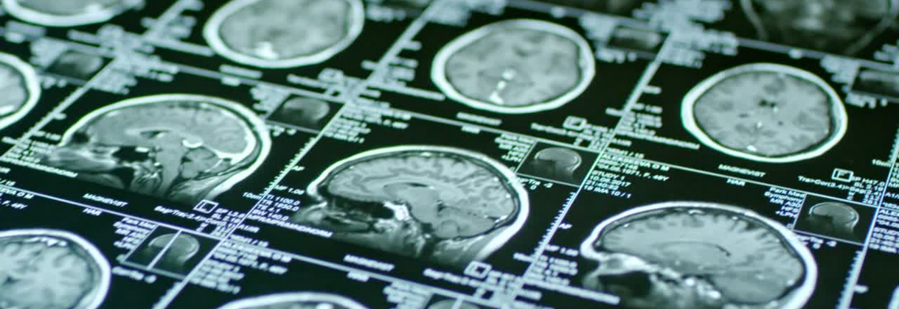
For decades, epilepsy was viewed almost exclusively as a disorder of misfiring neurons. However, there is now compelling evidence that immune mechanisms may play a significant role in epileptogenesis (how a healthy brain becomes epileptic). CURE Epilepsy-funded research has shown that seizures can be driven by the brain’s immune system and that therapeutic targets calming inflammation may be just as important as those quieting electrical activity.
Back in 2011, CURE Epilepsy-funded research by Dr. Viji Santhakumar revealed how toll-like receptors (proteins that drive the brain’s immune response) can alter hippocampal excitability after injury. Her work demonstrated how post‑injury inflammation can quietly rewire neural circuits in ways that promote epilepsy, often before the first spontaneous seizure occurs. Studies like this suggest that for some types of epilepsy, combining traditional antiseizure medications with therapies designed to dampen harmful neuroinflammatory cascades may allow impaired brain networks to recover more normal function.
This approach has been especially relevant in catastrophic seizure disorders such as NORSE (new‑onset refractory status epilepticus) and FIRES (febrile infection‑related epilepsy syndrome), a sub-type of NORSE that is distinguished by the fever occurring two weeks to 24 hours prior to the onset of seizures. In these rare and devastating conditions, previously healthy individuals with no history of epilepsy develop sudden, relentless seizures that cannot be controlled by standard antiseizure medications. The latest research supported by CURE Epilepsy is showing that intense, acute inflammation is associated with the acute phase of illness in NORSE, and seizure-induced brain injury may contribute to long-term epilepsy and poor outcomes.
For example, recent work by Drs. Vincent Navarro and Aurélie Hanin at the Paris Brain Institute suggests that NORSE is not a single uniform disease. Instead, patients can fall into distinct inflammatory profiles. This finding highlights the need for personalized treatment strategies that target specific inflammatory pathways during the acute phase of illness, when rapid intervention may be lifesaving and patients may not respond to general anti-inflammatory drugs.
Crucially, a 2023 CURE Epilepsy Rare Epilepsy Partnership Award to Dr. Navarro, funded in partnership with the NORSE Institute, also uncovered an important nuance. While early neuroinflammation appears to ignite catastrophic seizures, persistent inflammation may not be the primary driver of long‑term epilepsy after the acute NORSE phase resolves. Instead, markers of seizure-induced brain injury and network disruption appear to be stronger predictors of chronic epilepsy risk and long‑term outcomes.
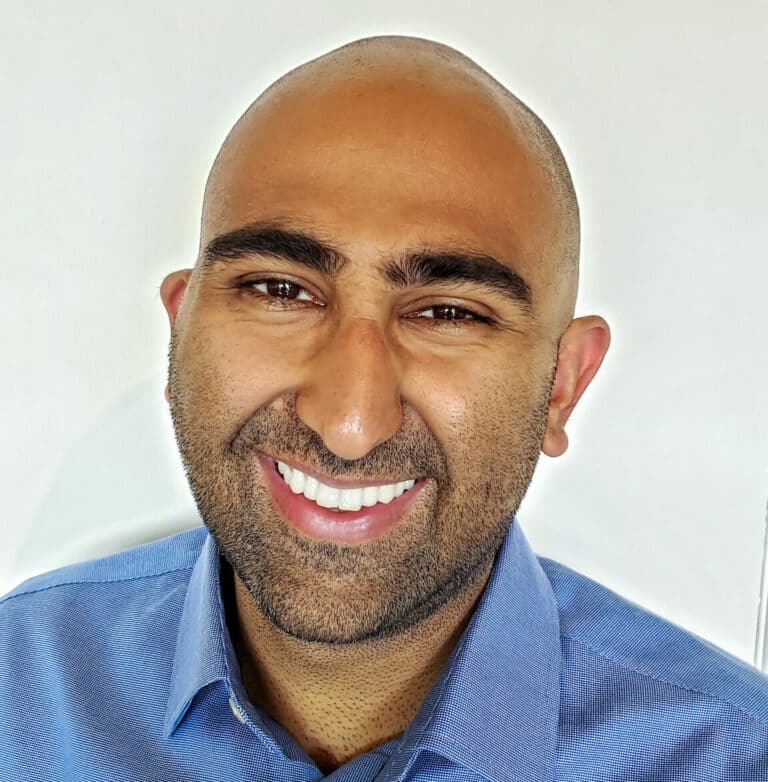
“My sweet, smart 22-year-old son Daniel died from NORSE in 2013. His NORSE narrative is similar to most NORSE/FIRES patients: a previously healthy young adult or child is suddenly overcome with status epilepticus for no apparent reason and traditional antiseizure treatments fail to work.
NORSE research has made inroads into the rare syndrome assumed to be of heterogeneous etiology and the findings have illuminated the potential roles of neuroinflammation and immune dysfunction in refractory seizures and epileptogenesis. This research is a highly productive line of investigation as its findings may inform us about underlying mechanisms in a wide category of epilepsy syndromes. Dedicated research is the best response to this life-altering syndrome that deeply affects patients and their families with its significant mortality and morbidity that includes cognitive, behavioral and neuropsychological impairment, and often the development of drug-resistant epilepsy.”
–Nora Wong, PhD, NORSE Institute Co-Founder and Executive Director
These lines of research into neuroinflammation and epilepsy illustrate the impact of CURE Epilepsy’s strategic investment in bold science that challenges assumptions, informs clinical decision making, and ultimately improves lives. Because of research, clinicians are increasingly considering immunotherapy in certain conditions as a means to interrupt epileptogenesis. This may be key as we learn how to calm the underlying fire that fuels seizures and to help the brain heal.
Every achievement in our mission begins with people who care deeply and take action. Our CURE Epilepsy Champions, families, and supporters inspire us with their generosity, perseverance, and unwavering belief in a better future.
Their efforts are advancing research, connecting families, and building a stronger network of support. Together, we are turning hope into action and action into impact.
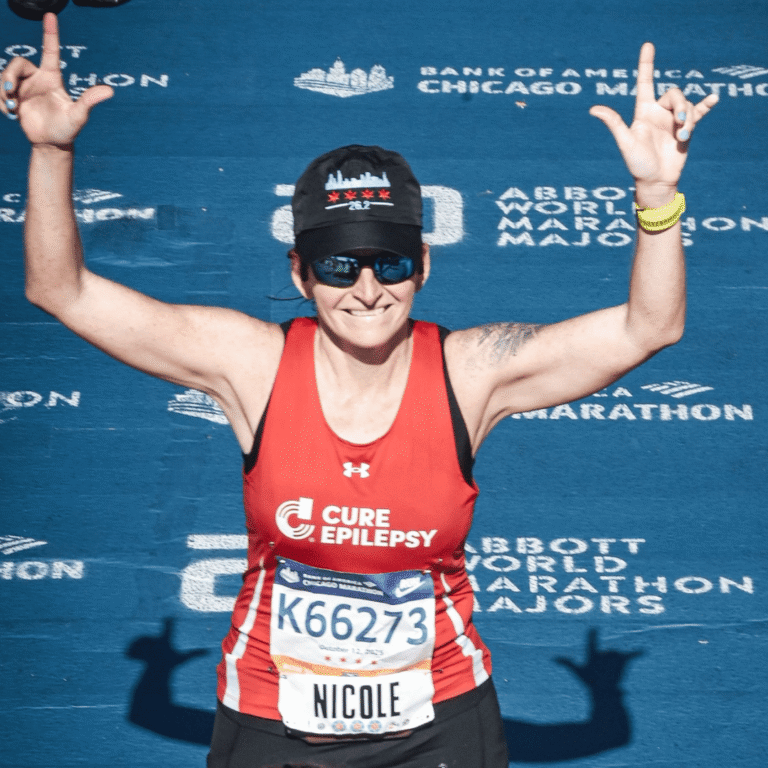
Our 36 Team CURE Epilepsy runners from the 2025 Chicago Marathon raised almost $100,000 for critical epilepsy research. Nicole Rutherford, who was diagnosed with epilepsy at 10 years old, channeled her 30-year journey with photosensitive epilepsy into raising funds for the scientific advances she and others need. Nicole was one of our top fundraisers and dedicated her race “to all the times she was told no [because of her epilepsy].” Her husband, John, who she married in February, joined her in Chicago to cheer her on!
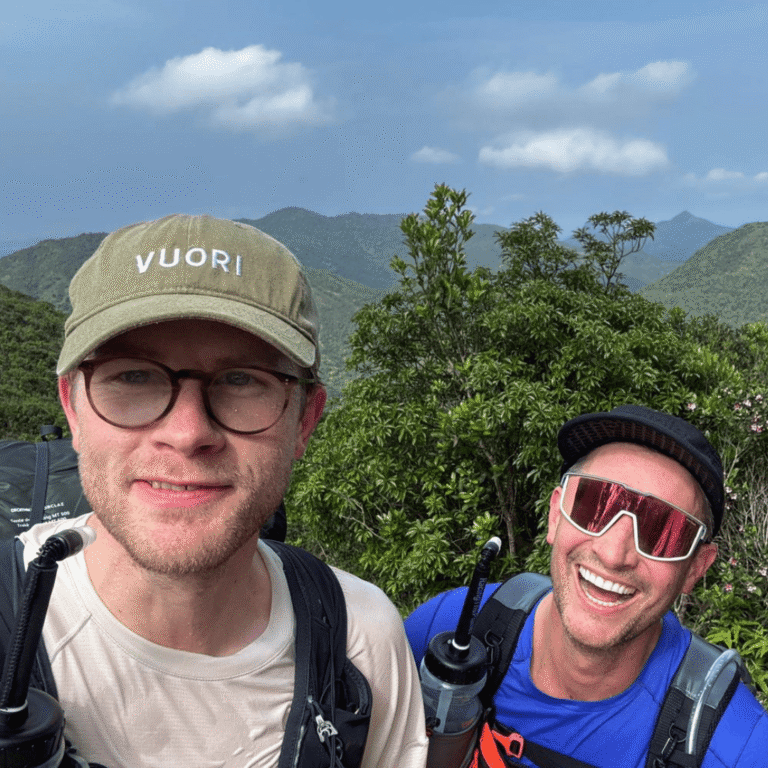
Hong Kong resident James Westwood’s eldest daughter, Arta, was diagnosed with epilepsy just before her third birthday in 2020. The initial weeks were incredibly difficult, as they struggled to control her seizures. Some days, she experienced up to 20 complex partial seizures, each one leaving her exhausted, and her parents feeling helpless. Last year James and his friend Caspar ran the Gobi Desert Ultramarathon, which is the equivalent of six marathons in six days, to raise funds for CURE Epilepsy. Their generous supporters all over the world raised more than $250,000 (in 10 different currencies!) and named one of this year’s Catalyst grants.
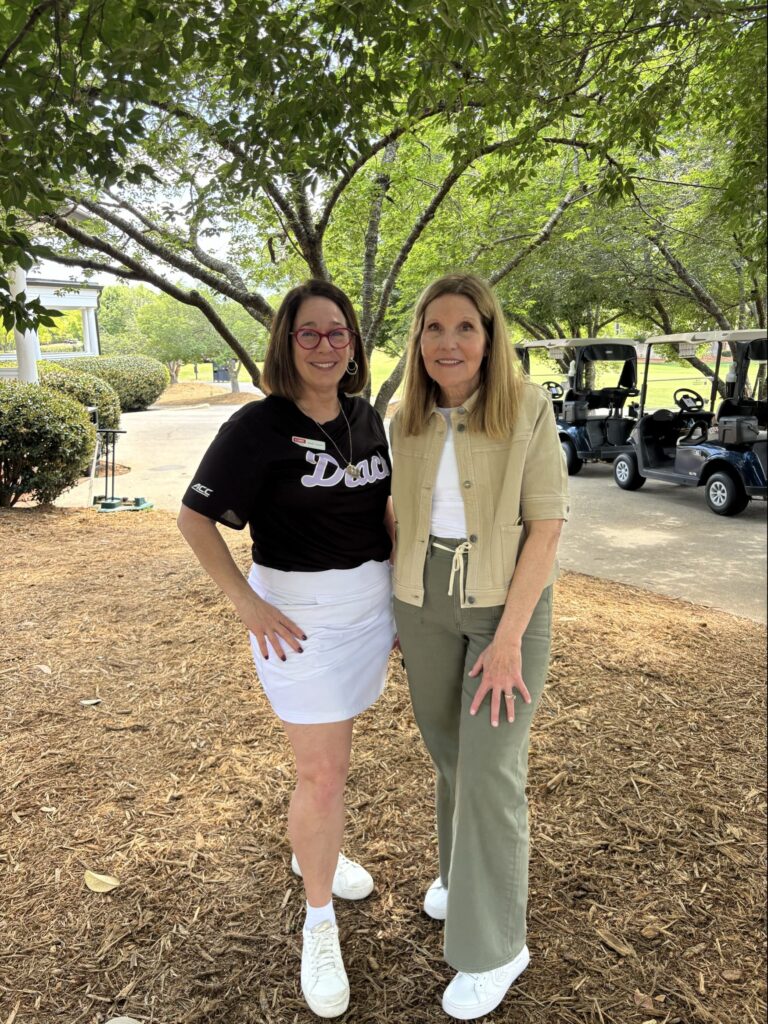
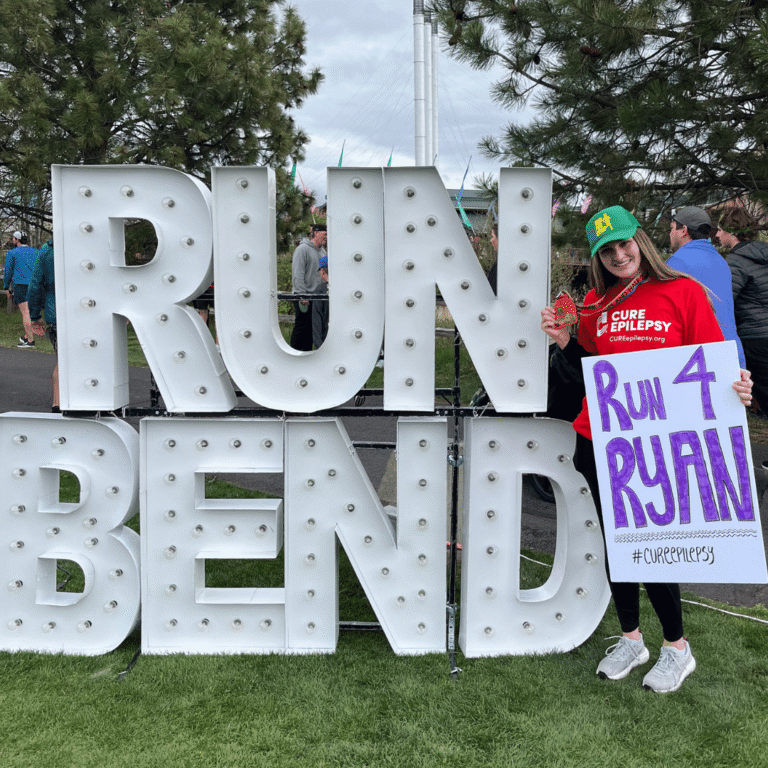
In April, the Ryan Lloyd Foundation hosted their fourth annual golf tournament in North Carolina honoring Ryan Lloyd, beloved father, husband, son, and teammate who passed away from SUDEP in 2022. The weekend, co-hosted by the Wake Forest Baseball Alumni Family, brought people together to celebrate Ryan’s life through golf and an NCAA baseball series dedicated to raising epilepsy awareness. These events raised more than $14,000, harnessing the power of community, connection, and a firm belief in research.
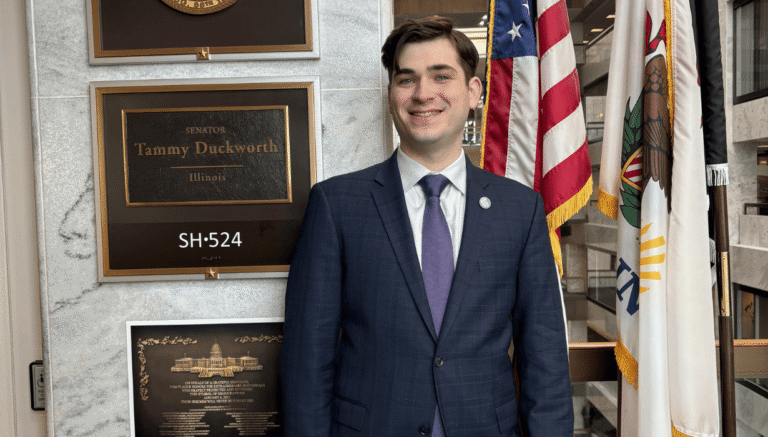
With generous support from SK Life Science, Drew Conlee has been interning at CURE Epilepsy through our Community Enrichment Program. Drew has personally dealt with epilepsy since age 12, and this fellowship has helped him achieve his goal of making a difference for others in the epilepsy community. Highlights of his fellowship include traveling to Capitol Hill to lobby for the National Plan for Epilepsy and engaging with other research and advocacy groups on coalition building for increased epilepsy research funding.
Barbara Keller remembers standing on her daughter’s porch in 2015, holding her granddaughter while new neighbors moved into her La Grange neighborhood. She noticed the family’s little girl, Ella, had a disability, eventually learning that she had been diagnosed with epilepsy when she was one year old.
Ella became an instant neighborhood sensation. Despite living with sometimes debilitating epileptic spasms, she loved to sit on her porch or swing and say hello to every person and dog who crossed her path.
Barbara says that the family — the Cunneens — couldn’t have picked a more supportive, uplifting neighborhood. When someone in the community needs help, neighbors show up without hesitation.
Barbara knows this firsthand. During a particularly tumultuous time, the community came through for her. In 2016, Barbara’s husband died in a plane crash in Wisconsin. When she came home, her neighbors had tied red ribbons to her and her daughter’s trees and brought seemingly endless food. When Barbara’s daughter’s house later burned down, the community rallied to donate bags of clothes, toys, and more.
“What I’m saying,” Barbara emphasizes, “is that people participate, they care, and they really come out of the woodwork when you need them.”
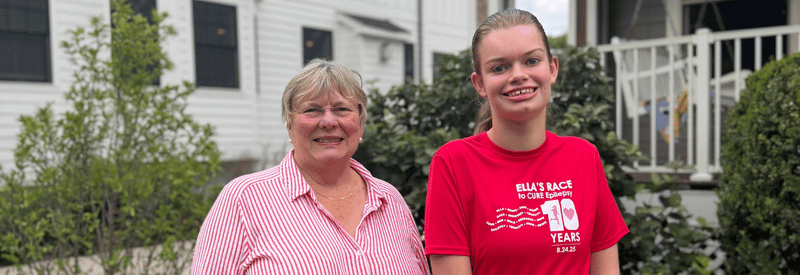
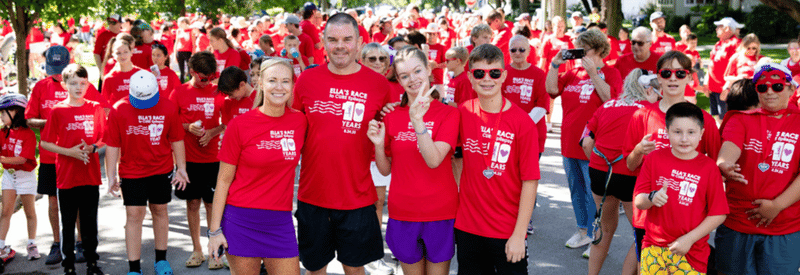
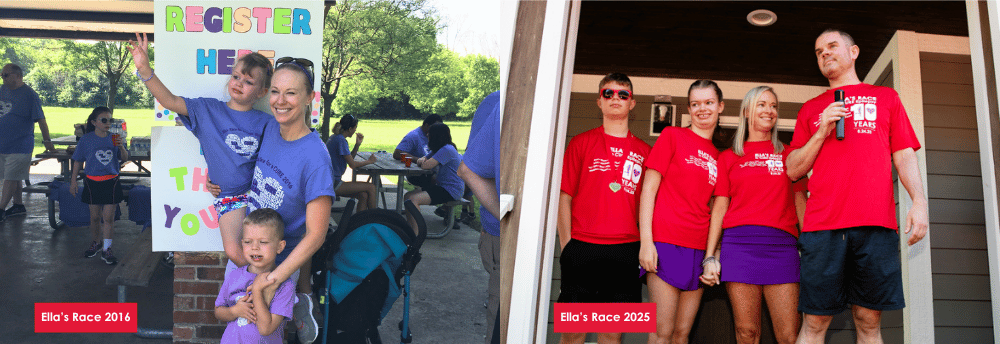
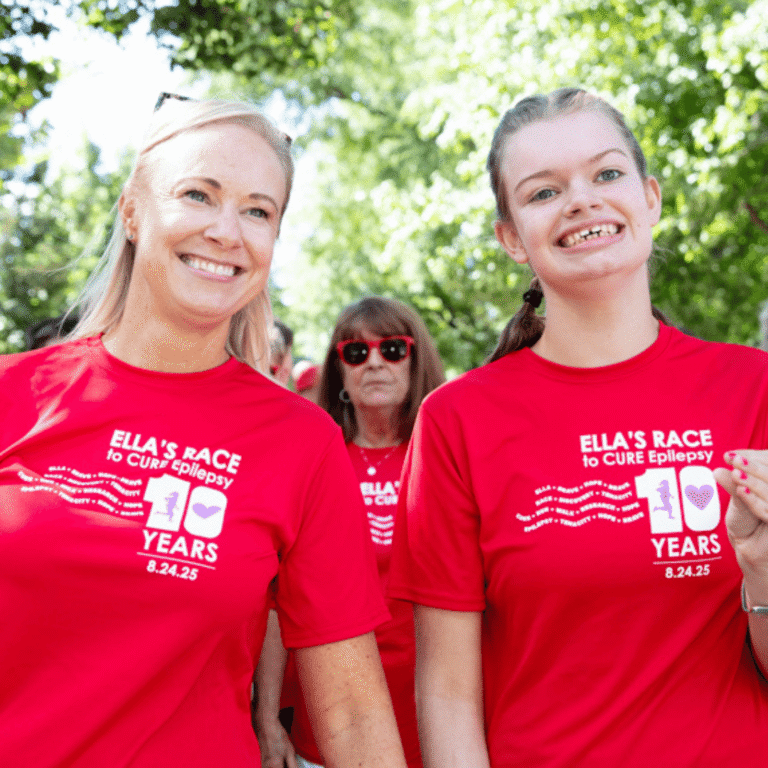
Just as Barbara said, when Ella’s parents, Shalee and Blake, hosted their first neighborhood fun run, Ella’s Race, to raise money for CURE Epilepsy, the community showed up.
Like most things, Ella’s Race started out small, but the community made it an instant success. The Cunneens raised about $20,000 in their first year. Since then, Barbara has seen the event grow steadily (the race raised over $220,000 in 2025!), and has learned more about epilepsy and the need to accelerate research.
Eventually, Barbara had the opportunity to make a bigger impact through a gift from her individual retirement arrangement (IRA).
Barb is perfectly emblematic of the warmth and generosity of this neighborhood. We are so honored she chose to benefit CURE Epilepsy with her IRA distribution.
–Shalee Cunneen, CURE Epilepsy Board Member and Ella’s Mom
When Barbara’s husband passed, one of the big financial decisions she had to make was what to do with their IRA distributions. Her husband had been rolling them over, but when she turned 73, her advisor told her she had to take a required minimum distribution based on IRS regulations.
Fortunately, her advisor also told her about qualified charitable distributions, which allow individuals over 70½ to make gifts to nonprofits directly from their IRA. Donating in this way to a qualified charity, like CURE Epilepsy, is a win-win: charities receive a gift, often larger than might otherwise be possible, and donors reduce their adjusted gross income, potentially lowering their tax and Medicare premium burden.
Knowing Ella and seeing how dedicated the Cunneens are to fundraising for epilepsy research inspired Barbara to learn more about CURE Epilepsy’s research program and take action. When it came time to decide what to do with her IRA distributions, she decided to make a significant gift to support research like CURE Epilepsy’s Late-Onset Epileptic Spasms Initiative (which is one of the kinds of seizures that Ella has).
A lot has changed since Barbara stood on her daughter’s porch all those years ago. Ella has grown into a wonderful young woman. Her brother, Sean, promotes epilepsy awareness at his high school. Ella’s Race, now in its eleventh year, has become a community staple that is making a real difference in epileptic spasms research. And now Barbara supports causes close to her heart in a new way.
But her community’s generosity, kindness, and compassion are still, thankfully, the same.
Age: You must be at least 70½ years old on the date the funds are transferred.
Direct Transfer: The check must be issued directly from your IRA custodian to CURE Epilepsy. If funds hit your personal bank account first, the transaction will be counted as a taxable distribution rather than a qualified charitable distribution (QCD).
Eligible Accounts: Traditional IRAs and Roth IRAs.
No Goods or Services: You cannot receive any goods or services in exchange for the transferred funds.
Reduces Taxable Income: When you bypass your annual gross income, QCDs prevent your donation from bumping you into a higher tax bracket. This can also lower your Medicare Part B and D premiums and reduce the taxability of your Social Security benefits.
Satisfies RMDs: Once you are at least 73 years old, you must take required minimum distributions (RMDs). Your QCD will count toward or entirely satisfy your annual RMD without adding to your taxable income.
Works with Standard Deduction: You do not need to itemize your deductions to get the benefit.
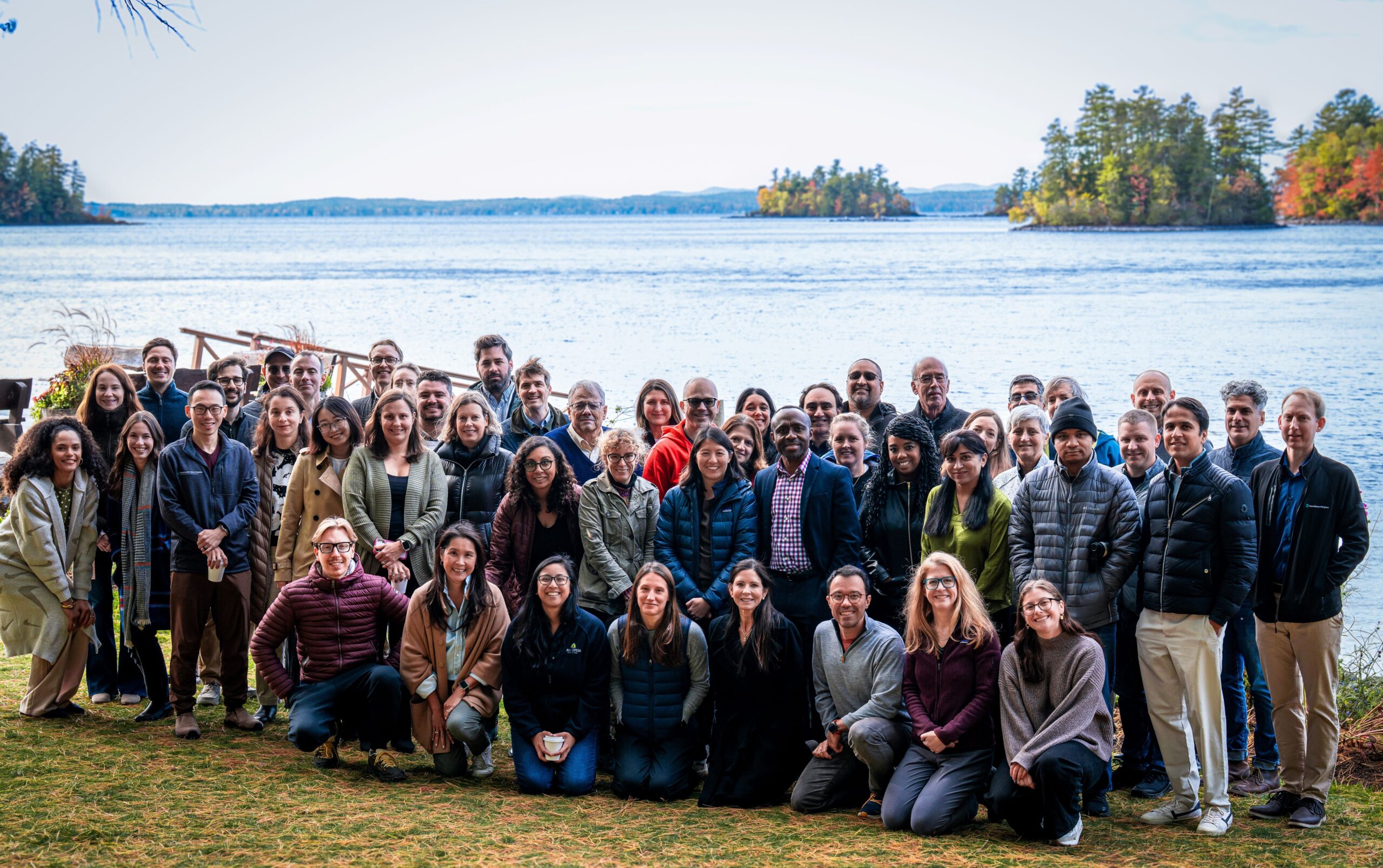
CURE Epilepsy sponsored several key conferences over the past year on topics of particular scientific promise.
In October, CURE Epilepsy sponsored a two-and-a-half-day scientific convening that brought together leading researchers and clinicians to examine emerging insights in LoUE and Alzheimer’s disease. The meeting highlighted growing evidence that LoUE — epilepsy beginning after age 55 with no identifiable cause — is more prevalent, complex, and closely linked to aging and neurodegenerative disease than previously recognized.
A central theme was the increasingly well-documented connection between epilepsy and dementia. Although more than 80% of individuals with LoUE achieve seizure control with medication, they face a two- to threefold increased risk of dementia, stroke, and mortality. Presentations emphasized a bi-directional relationship between epilepsy and cognitive decline, raising critical questions about shared mechanisms, early indicators of risk, and whether earlier or more targeted interventions could alter long-term outcomes.
Speakers also underscored the need for improved treatment pathways for older adults. While commonly used medications such as levetiracetam and lamotrigine are often effective, challenges remain related to drug resistance, polypharmacy, and the underutilization of surgical and neurostimulation options. Emerging research further highlighted the roles of vascular risk factors, genetics, sex differences, and social determinants of health.
In November, CURE Epilepsy sponsored a workshop organized by our partner, the Focused Ultrasound Foundation. The workshop gathered researchers, epileptologists, focused ultrasound developers, representatives from the Food and Drug Administration (FDA), and people with lived experience of epilepsy in Charlottesville, VA.

Leading experts discussed scientific, methodological, and clinical questions essential to advancing focused ultrasound as a novel, noninvasive treatment for epilepsy. A highlight of the workshop was hearing from people with lived experience who shared their insights on living with epilepsy and the benefits of treatment with focused ultrasound.
Next, the group will work together to develop and publish a roadmap for advancing this technology toward greater use in the epilepsy community.
Read Dr. Laura Lubber’s blog post on the Focused Ultrasound Foundation website.
In May, CURE Epilepsy sponsored a gathering of researchers in Princeton, NJ for the second International Conference on Post-Traumatic Epilepsy (IC-PTE). It was a fantastic follow-up to the inaugural IC-PTE in Milan in 2024, organized and hosted by CURE Epilepsy. Over 125 attendees, including 12 people with lived experience, discussed topics from neuroinflammation to biomarkers to comorbidities, with the goal of moving PTE research toward clinical trials.

CURE Epilepsy CSO Dr. Laura Lubbers and Captain Jack Somers, USMC, Retired (lives with PTE) delivered the conference’s opening remarks, and Dr. Lubbers hosted a panel discussion with people who have lived experience with PTE. This kind of intentional, collaborative meeting is important for building momentum across stakeholders and advancing science from biological understanding toward clinical impact, while centering on the role of people living with epilepsy.
Explore the publication from the first IC-PTE.
June’s two-and-a-half-day Curing the Epilepsies conference at the NIH, held every 5-7 years, brought together key researchers, clinicians, advocacy groups, and families from across the space.

Dr. Lubbers shared a personal perspective about her sister Ellyn’s epilepsy to open the event. She also participated in a panel about defining critical epilepsy research priorities. Lived experience was incorporated throughout, and many CURE Epilepsy grantees gave talks on everything from animal models to comorbidities to the gut microbiome.
The community reevaluated the Epilepsy Research Benchmarks, which identify the top priorities for the epilepsy research community. Recent advances discussed at the conference will be incorporated into new benchmarks that will guide strategy for the next push toward breakthroughs.
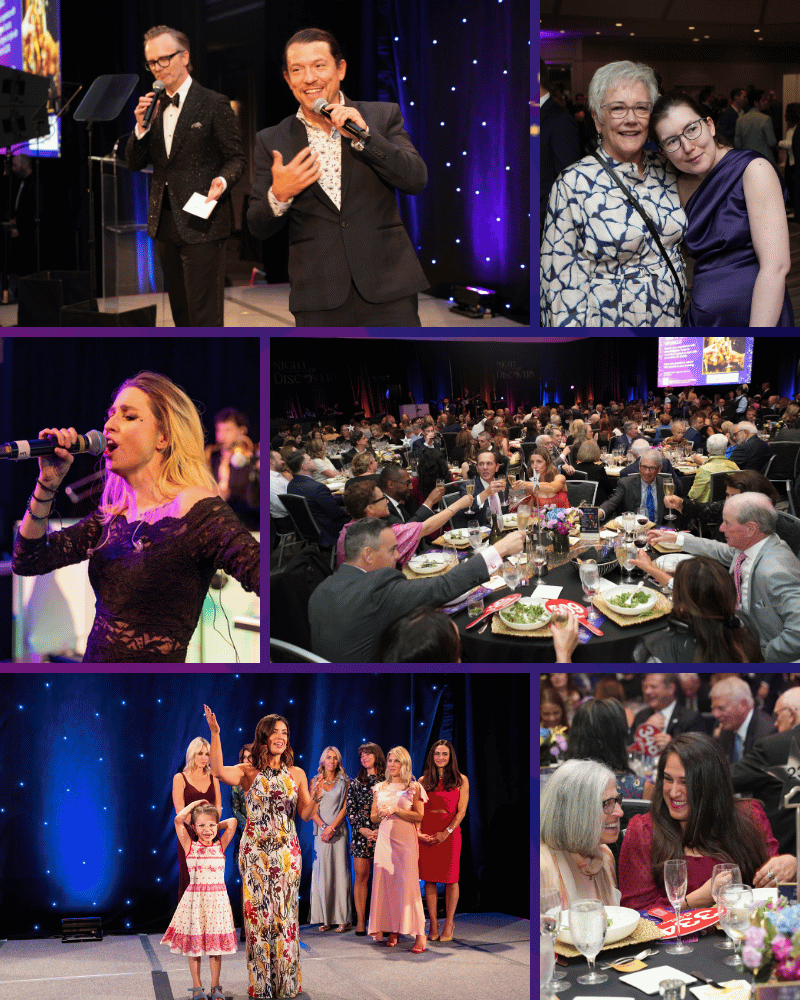
CURE Epilepsy’s 2025 Night of Discovery was filled with hope, progress, and excitement for the future of epilepsy research. People with epilepsy, loved ones, researchers, and clinicians alike came together to celebrate promising science happening in labs across the world.
Before the dinner, speeches, and dancing, guests were treated to a science exhibit, featuring Dr. Avtar Roopra’s team. Dr. Roopra is a four-time CURE Epilepsy grantee at the University of Wisconsin-Madison, and together with his team of early-career investigators, set up easy-to-understand demonstrations of concepts that inform their research.
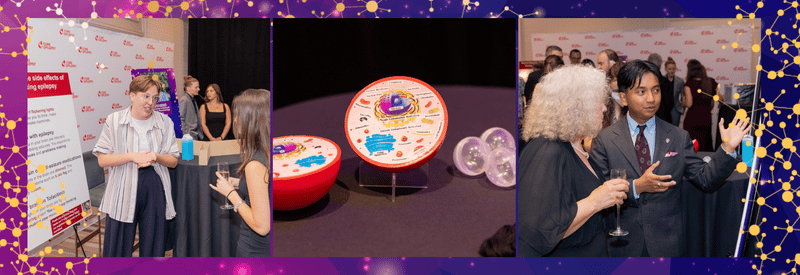
During the program, we heard more about Dr. Roopra’s promising work to understand if an already FDA-approved arthritis medication could not only stop seizures but also restore cognitive function for some people with epilepsy. We also heard from Captain Jack Somers, USMC, Retired, who developed epilepsy after serving in Afghanistan. Captain Somers has lived with uncontrolled epilepsy for over a decade and spoke about why CURE Epilepsy’s work gives him hope for a seizure-free future.
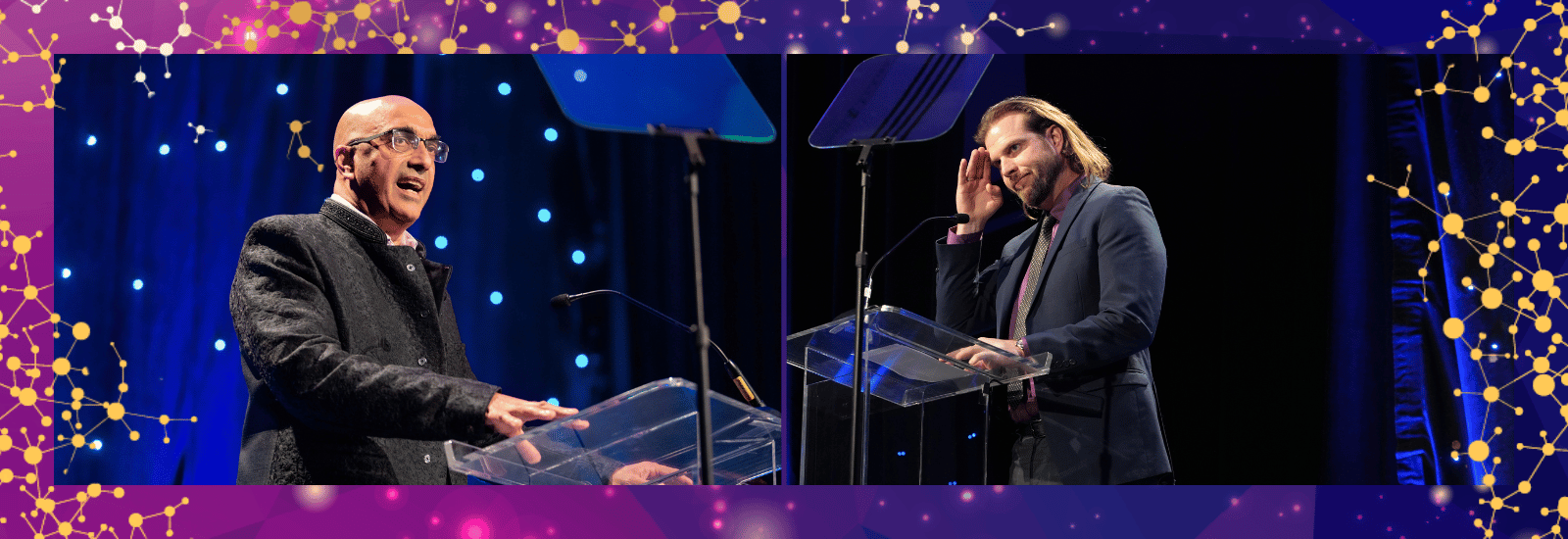
Our Founders Award was given to Senator Dick Durbin for his unwavering support of scientific research and his embodiment of the spirit of our founding members. Over his long and celebrated career of public service, Senator Durbin has been a tireless champion for epilepsy research and biomedical research more broadly.
With an electric atmosphere of hope and promise, guests danced to musical performances by Broadway’s Miguel Cervantes and local band Maggie Speaks.

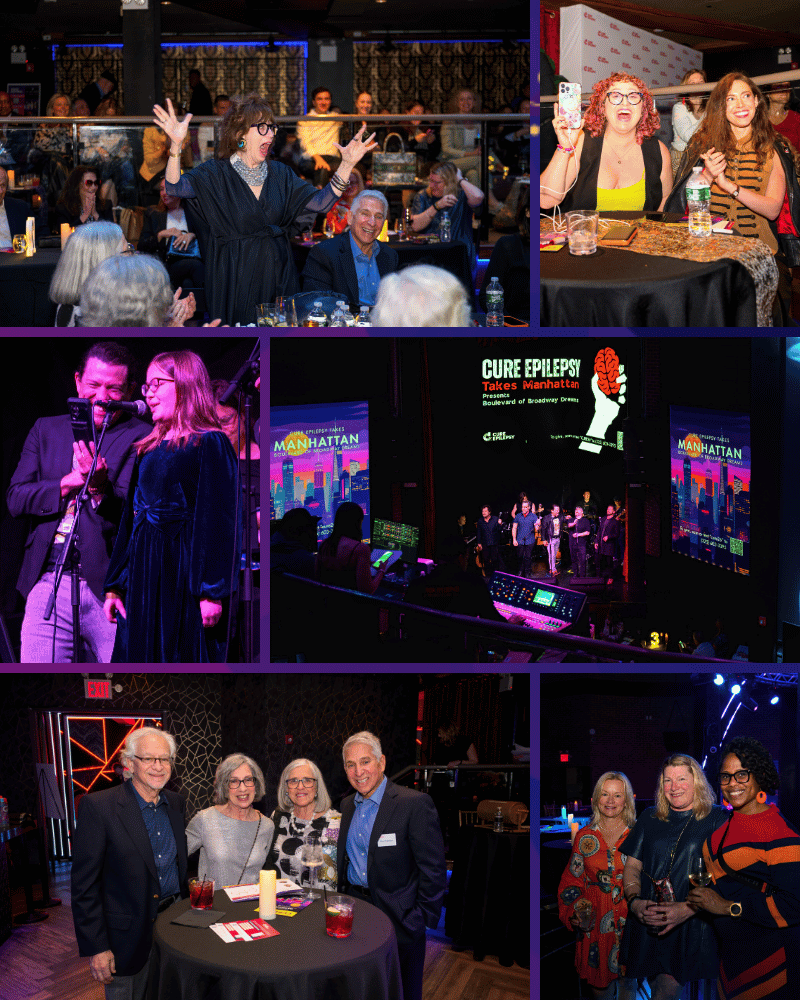
On May 4, 2026, CURE Epilepsy Takes Manhattan was back with Boulevard of Broadway Dreams. Original cast members of Broadway’s American Idiot joined fellow castmate Miguel Cervantes to perform hits from that and other shows. They even sang some never-before-heard mashups!
Our friend Kiera Diamond took to the stage to share her epilepsy story and the importance of her family support network. Her parents and siblings have been instrumental in everything from accompanying her to doctors’ appointments to sitting with her after seizures. Her brother, Collin, and dad, Scott, ran as part of Team CURE Epilepsy in the 2023 NYC Marathon.
Highlights of the one-of-a-kind show included a live auction bidding war for karaoke with the performers! Our most heartfelt thanks to all who attended this one-of-a-kind show and to our Titanium Sponsor, the Ann G. and James B. Ritchey Foundation, for helping make it possible.


 “My sweet, smart 22-year-old son Daniel died from NORSE in 2013. His NORSE narrative is similar to most NORSE/FIRES patients: a previously healthy young adult or child is suddenly overcome with status epilepticus for no apparent reason and traditional antiseizure treatments fail to work.