CURE Epilepsy Research Continuity Fund
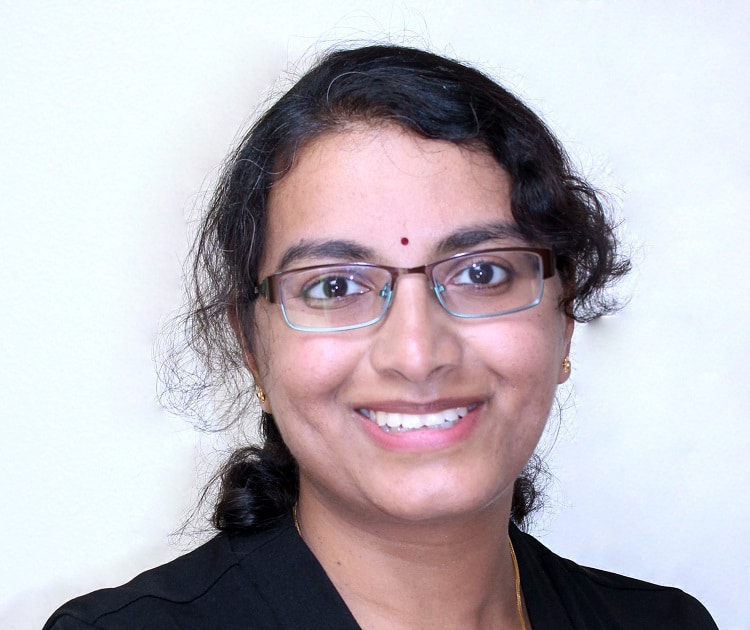
Lakshmi Subramanian, PhD / UC San Francisco
The CURE Epilepsy Research Continuity Fund will allow her to finish up this work which was delayed due to COVID-19 related laboratory closures.
Taking Flight Award
Ranmal Samarasinghe, MD, PhD / University of California, Los Angeles
For his CURE Epilepsy project, Dr. Samarasinghe will try to uncover the cellular changes that account for these differences in activity and will use the organoids as a model to test anti-seizure medications.
CURE Epilepsy Award
Nigel Pedersen, MD, Epileptologist / Emory Epilepsy Center, Emory University
This clinically-informed research lays the groundwork for potentially transformative treatments for epilepsy.
CURE Epilepsy Award
Nuria Lacuey-Lecumberri, MD, PhD, Assistant Professor of Neurology / McGovern Medical School, The University of Texas Health Science Center at Houston
The goal of this project is to improve the overall understanding of breathing control by identifying specific brain areas that are most important for breathing function and stimulation techniques that can be used to prevent seizure-induced breathing failure.
Taking Flight Award
Mark Bennett, PhD / The Walter and Eliza Hall Institute of Medical Research, Australia
Dr. Bennett will investigate the contribution of repeat expansions to the genetics of epilepsy.
CURE Epilepsy Award
Christina Gross, PhD / Cincinnati Children’s Hospital
Dr. Crone will use mouse models to test if alterations in a specific genetic pathway in cells, called the PI3K/mTOR pathway, lead to breathing abnormalities and SUDEP.
Taking Flight Award
Ankit Khambhati, PhD / University of California, San Francisco
Dr. Khambhati and his research team aim to optimize strategies for faster and more effective stimulation-based control of seizures.
Taking Flight Award
Edilberto Amorim de Cerqueira, MD / University of California, San Francisco
Dr. Amorim’s research is using non-invasive brain monitoring with electroencephalography (EEG) to predict, prevent, and treat seizures in critically ill patients.
Taking Flight Award
Cristina Reschke, PhD / Royal College of Surgeons in Ireland
Dr. Reschke will study how disruption of circadian rhythms could affect gene expression during epileptogenesis.