Infantile Spasms Initiative
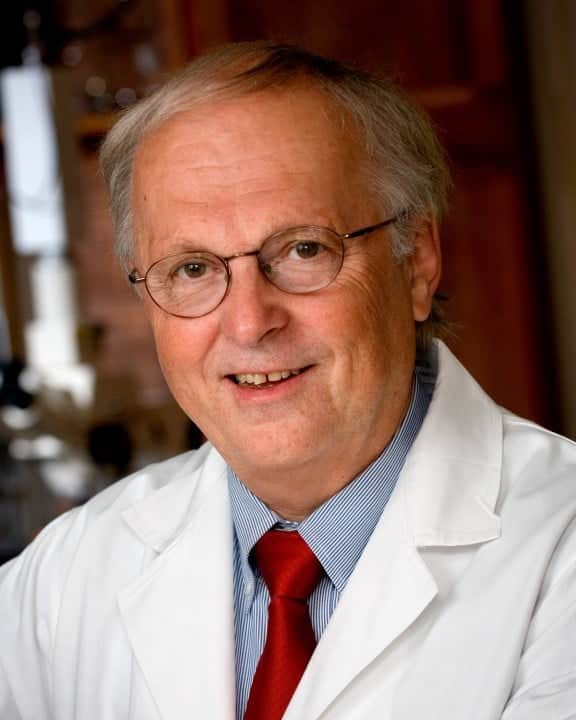
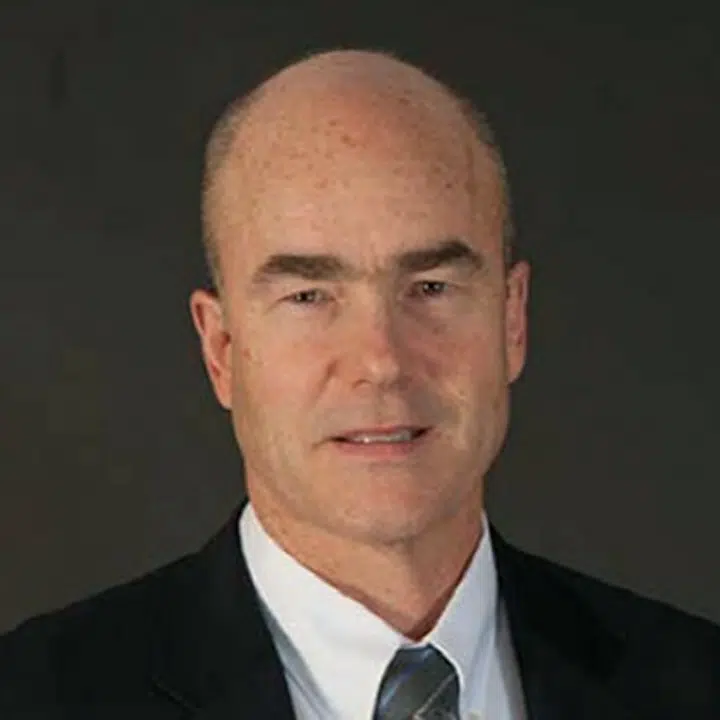
John W. Swann, PhD / Baylor College of Medicine
This commentary discusses three aspects of IESS intended to raise fundamental clinical and mechanistic issues to afford greater understanding of the syndrome – nomenclature, EEG findings, and selected emerging animal models that might shed light on IESS pathophysiology and guide therapy development.
Innovator Award
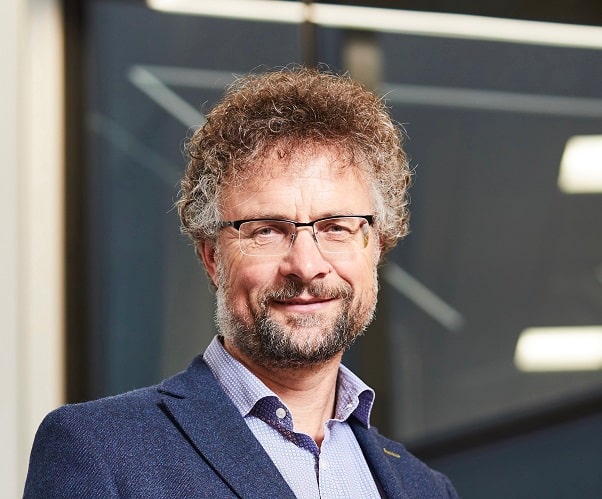
Jozef Gecz, PhD / University of Adelaide
In this project, Dr. Gecz and his team will isolate cfDNA from patients’ blood in the hours after a seizure(s).
Taking Flight Award, Funded by the Ravichandran Foundation
Juliet Knowles, MD, PhD / Stanford University
Her current project will determine if seizures cause myelin abnormalities and if abnormal myelin contributes to the development of epilepsy and associated cognitive impairment.
Taking Flight Award
Lakshmi Subramanian, PhD / The Regents of the University of California at San Francisco
Taking Flight Award
Jennifer Gelinas, MD, PhD / Columbia University Medical Center
Dr. Gelinas and her team will leverage new technology to acquire high-resolution “maps” of neural networks in animals with progressive focal epilepsy.
Post-Traumatic Epilepsy Initiative
Harald Sontheimer, PhD / Virginia Tech
Dr. Harald Sontheimer and his team have identified the need for additional animal models of post-traumatic epilepsy, and plan to utilize both a new mouse model of post-traumatic epilepsy alongside an established model to investigate the ways in which traumatic brain injury leads to post-traumatic epilepsy.
Post-Traumatic Epilepsy Initiative
Victoria E. Johnson, MBChB, PhD / University of Pennsylvania
Dr. Victoria Johnson and her team will characterize the relationship between these changes and the development of post-traumatic epilepsy, utilizing tissue from humans with traumatic brain injury as well as multiple unique models of traumatic brain injury.
Post-Traumatic Epilepsy Initiative
Kevin Staley, MD / Harvard Medical School
Dr. Kevin Staley and his team hypothesize that changes to the extracellular matrix, the brain’s neuronal support system, can alter the balance between inhibitory and excitatory neurotransmission and contribute to the development of difficult-to-treat epilepsy after traumatic brain injury.
Post-Traumatic Epilepsy Initiative
Kevin Wang, PhD / University of Florida
The team will study changes that occur in brain activity and chemical and molecular processes within important epilepsy-related areas of the brain, comparing animals that develop post-traumatic epilepsy to those that do not.