Innovator Award
Robert Gross, MD, PhD / Emory University
Dr. Gross will test whether electrical stimulation of an important nerve pathway, the septohippocampal system, which connects the frontal lobe to the temporal lobe, can both control seizures and improve memory.
SUDEP, Funded by the Henry Lapham Memorial Award
Daniel K. Mulkey, PhD / University of Connecticut
Drs. Mulkey and Tzingounis hypothesize that KCNQ channels are required for proper control of chemoreceptor activity (i.e., neurons that drive breathing).
SUDEP, Funded by the Christopher Donalty and Kyle Coggins Memorial Award
Jack Parent, MD / University of Michigan
Drs. Parent and Isom hypothesize that SCN1A mutations increase SUDEP risk by causing heart rhythm disturbances.
Taking Flight Award
Teresa Ravizza, PhD / Mario Negri Institute for Pharmacological Research
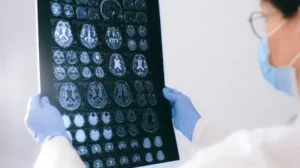
Using in vivo MRI and MRS imaging techniques combined with EEG analysis and behavioral testing in animals, Dr. Ravizza will evaluate whether blood-brain barrier damage and glia activation after brain injury predict the development of spontaneous seizures and cognitive dysfunction.
Prevention of Epilepsy After Brain Injury Award, Funded by the CJM Foundation
Vijayalakshmi Santhakumar, PhD / New Jersey Medical School
Dr. Santhakumar’s research will focus on a class of innate immune receptors known to regulate neuronal growth and excitability and determine their contribution to hippocampal structural and functional changes after brain injury.
Taking Flight Award
Jeffery Tenney, MD, PhD / Cincinnati Children’s Hospital Medical Center
The goal of Dr. Tenney’s research is to use state-of-the-art neuroimaging to compare areas of seizure onset in children with medication responsive and non-responsive epilepsy.
Challenge Awards, Funded by the Rhode Island Award
Scott Baraban, PhD / University of California, San Francisco
Dr. Baraban seeks to shift current research in the epilepsy field in two ways.
Challenge Awards
Sacha D. Nelson, MD, PhD / Brandeis University
Dr. Nelson will explore the hypothesis that blocking normal activity causes a secondary change in interneurons, impairing cortical inhibition.
Prevention of Epilepsy After Brain Injury Award, Funded by the Brighter Future Award
Yogendra Raol, PhD / University of Colorado, Denver
Dr. Raol’s project will examine whether a potassium channel opener (flupirtine) can treat HI-induced neonatal seizures and alter long-term adverse neurological outcomes in an animal model of HI.