Rare Epilepsy Partnership Award
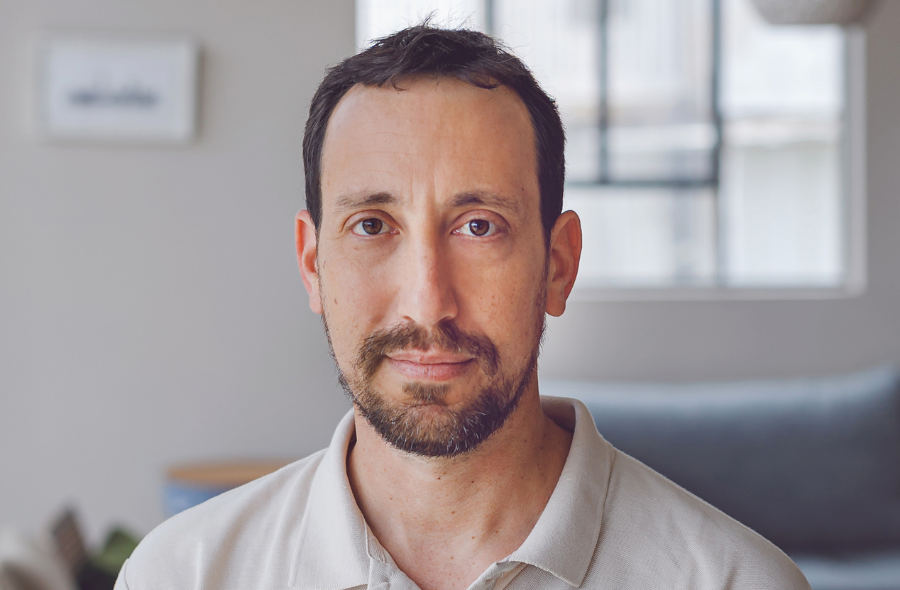
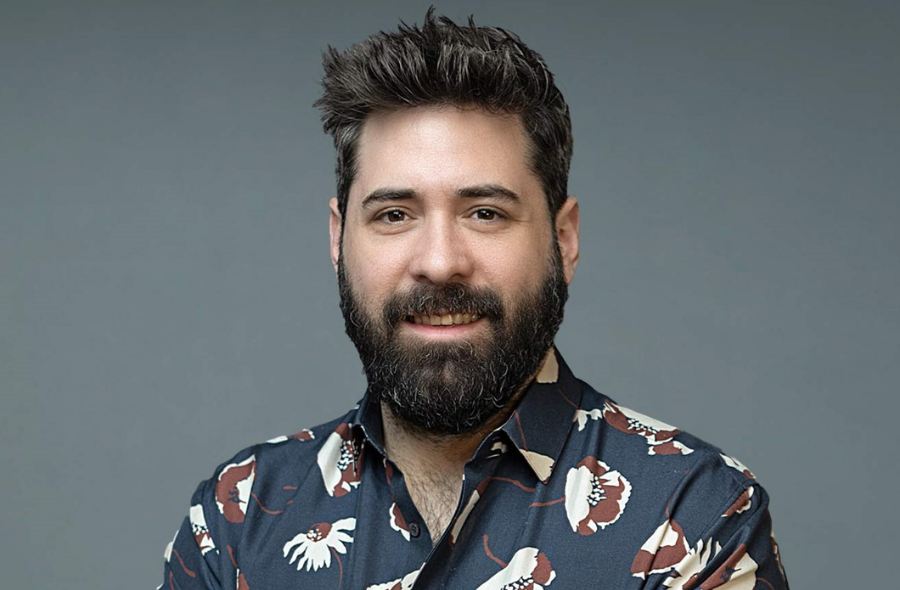
Damon Page, PhD, with Emily Neuhaus, PhD, and Sara Webb, PhD / Seattle Children’s Hospital
In this project, Dr. Page and his team will study seizures in a CTNNB1 mouse model using continuous video‑EEG recording and tests that measure the level of stimulation needed to trigger a seizure.
Rare Epilepsy Partnership Award
Anil Akturk, PhD / The Jackson Laboratory
Dr. Akturk’s team has developed a new “humanized” mouse model that carries a human KCNQ2-DEE variant called p.G281R. Dr. Akturk’s team proposes to characterize seizures, cognition, and brain pathology in this model.
Catalyst Award
Ivan Soltesz, PhD / Stanford University
The overall goal of this research is to lay the groundwork for a child-ready, non-invasive therapy to treat seizures.
Catalyst Award
Yoav Kfir, PhD / Modulight Biotherapeutics
In this project, the team will build the devices and test the treatment in a large‑animal model of focal, drug‑resistant epilepsy.
CURE Epilepsy Award
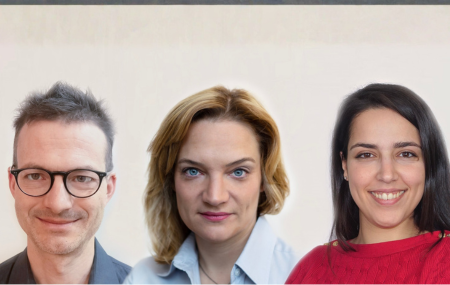
Sonja Broer, PhD, Florian Heyd, PhD, Rosella Di Sapia, PhD / Free University of Berlin
The ASO developed by this team activates a “cold shock” protein named RBM3 that protects brain cells—without needing to cool the body.
Taking Flight Award
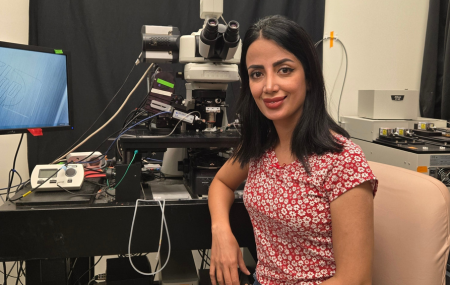
Mahboubeh Ahmadi, PhD / University of California, Riverside
This project will study how epilepsy changes the way CCK interneurons work and whether fixing their activity can reduce seizures and improve memory, motivation, and behavior.
Taking Flight Award
Aswathy AmmothumKandy, PhD / University of Southern California
In this project, she and her team will study why these cells stay in a disease state in epilepsy and look for ways to help them return to normal.
Taking Flight Award
Alex Felix, PhD / University of Pennsylvania
The goal of this project is to develop a novel Antisense Oligonucleotide (ASO) strategy to treat DEE syndromes by changing how certain genes are processed within the cell.
CURE Epilepsy Award
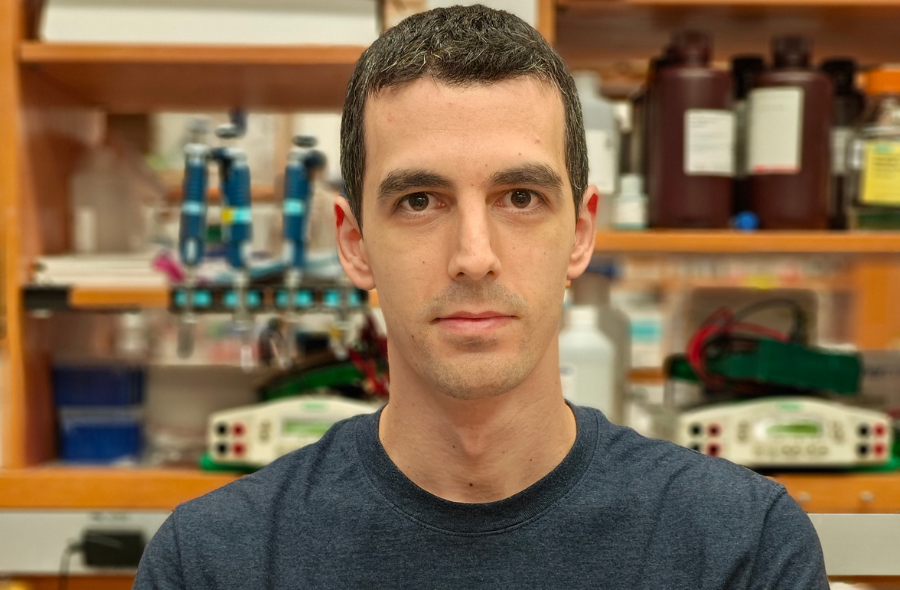
Christos Lisgaras, PhD / Nathan Kline Institute
Dr. Lisgaras and his team will test whether precise control of HFOs can provide powerful new therapeutic options. If successful, this work could pave the way for innovative treatments that improve seizure control and transform epilepsy care.