Innovator Award, in Honor of CURE 365
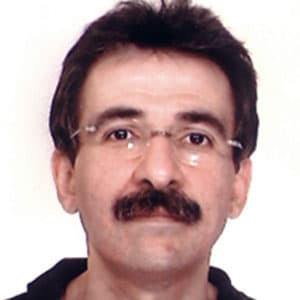
Nicola Marchi, PhD / CNRS Delegation Regionale Languedoc Roussillon, France
We propose that a key brain vasculature receptor called PDGFRb regulates the brain’s blood flow response to seizures, and we will explore whether modulation of the receptor using specific medications can stop seizures.
Taking Flight Award
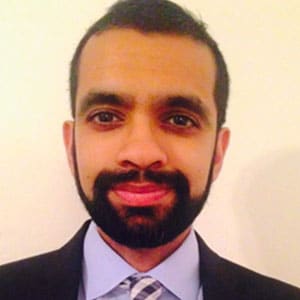
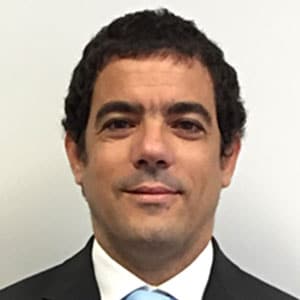
Omar Ahmed, PhD / Brown University
Our goal is to prevent seizures by helping individual brain cells self-regulate their own activity, without the need for invasive electrodes, monitoring devices or implanted batteries.
Innovator Award, Funded by the Julie's Hope Award
Antonello Mallamaci, PhD / Scuola Internazionale Superiore di Studi Avanzati, Trieste, Italy
If successful, this approach will be exploitable for scalable, personalized cures of epileptogenic gene loss.
Innovator Award
Marta Biagioli, PhD / University of Trento, Trento, Italy
This proposal aims to demonstrate how SINEUP can rescue the protein deficit and treat the disease.
Taking Flight Award
Kenneth Myers, MD, PhD / University of Melbourne/Austin Health
The ultimate goal is to generate data that can be used to design a rapid genetic testing protocol that will help doctors choose a medication for CAE based on an individual’s genetics, taking a step closer to precision medicine.
Taking Flight Award
Rene Barro Soria, PhD / University of Miami
The goals of the present research project are a) to define the molecular basis of voltage activation of IKM channels, to understand the mechanisms by which epilepsy causing mutations affect IKM channels function and b) to design new drugs for the treatment of these IKM channelopathies.
CURE Epilepsy Award
Stephen Traynelis, PhD / Emory University
They will monitor seizure type and frequency, EEG, and developmental assessment before and after off-label treatment with FDA-approved NMDAR inhibitors.
CURE Epilepsy Award
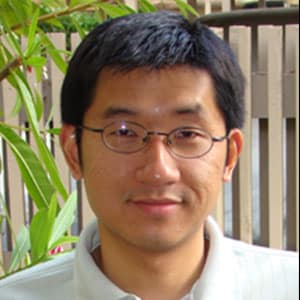
Mingshan Xue, PhD / Baylor College of Medicine
Dr. Xue’s team aims to generate and validate novel mouse models of epileptic encephalopathies.
CURE Epilepsy Award
Daniel Barth, PhD / University of Colorado – Boulder
They developed a rat model of epilepsy/autism to study the effects of combined environmental inflammatory factors, to establish human maternal guidelines and to explore anti-inflammatory strategies to prevent or reduce this severe neurological syndrome.