Catalyst Award
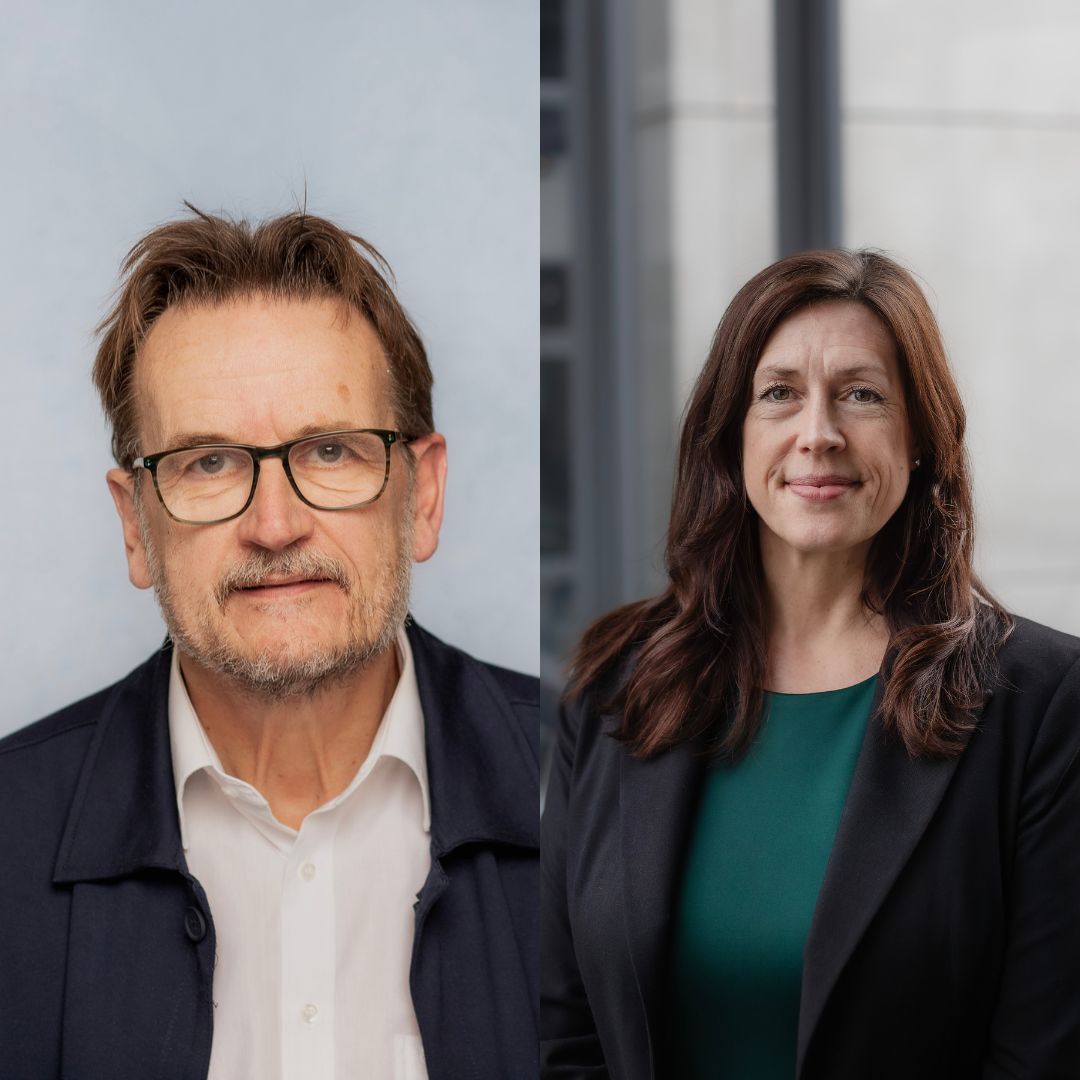
Henrik Klitgaard, PhD & Janine Erler, PhD / Neumirna Therapeutics
This team is working on developing NMT.001, a new antisense oligneucleotide therapy for the treatment of drug-resistant epilepsy.
Catalyst Award
Lori Isom, PhD / University of Michigan
The goal of this project is to develop a gene replacement therapy for SCN1B-related DEE.
Rare Epilepsy Partnership Award
Berrak Ugur, PhD / Yale University
Dr. Berrak’s team will use patient derived neuronal cellular and 3D brain-in-a-dish (organoids) models to examine where the FAM177A1 protein is located in neurons, protein it interacts with, and how its loss may affect neuronal growth and function.
Rare Epilepsy Partnership Award
Luis Williams, PhD / Quiver Biosciences
They will then test novel antisense oligonucleotides (ASOs) targeting each gene and investigate whether ASOs targeting KCNT1 can rescue the electrical properties of SCN8A and vice versa.
Rare Epilepsy Partnership Award
Nael Nadif Kasri, PhD / Radboud University Medical Center
The goal of this project is to better understand how microglia interact with neurons in Kleefstra Syndrome and how this interaction affects abnormal brain activity caused by EHMT1 mutations.
Taking Flight Award
Colin McCrimmon, MD, PhD / University of California, Los Angeles
Dr. McCrimmon’s team will use 3D disease-in-a-dish models (called brain organoids) made from the cells of DEE13 patients to study how this faulty gene affects two key brain areas.
Taking Flight Award
Michael-John Dolan, PhD / Trinity College Dublin
Dr. Dolan’s project seeks to understand the role of a new type of microglia, called “IFN-microglia,” to study how these cells control brain inflammation in epilepsy.
Taking Flight Award
Lauren Lau, PhD / Massachusetts General Hospital
Dr. Lau will study patterns of neuronal activity using high-resolution imaging techniques to compare EDs and seizure onset in a mouse model of temporal lobe epilepsy (TLE).
CURE Epilepsy Award
Jordan Farrell, PhD / Boston Children's Hospital
Using newly developed tools, Dr. Farrell’s team will study changes in endocannabinoid levels during seizures and test whether newly developed drugs can restore balanced endocannabinoid signaling.