SUDEP Clinical Biomarker Team Science Award
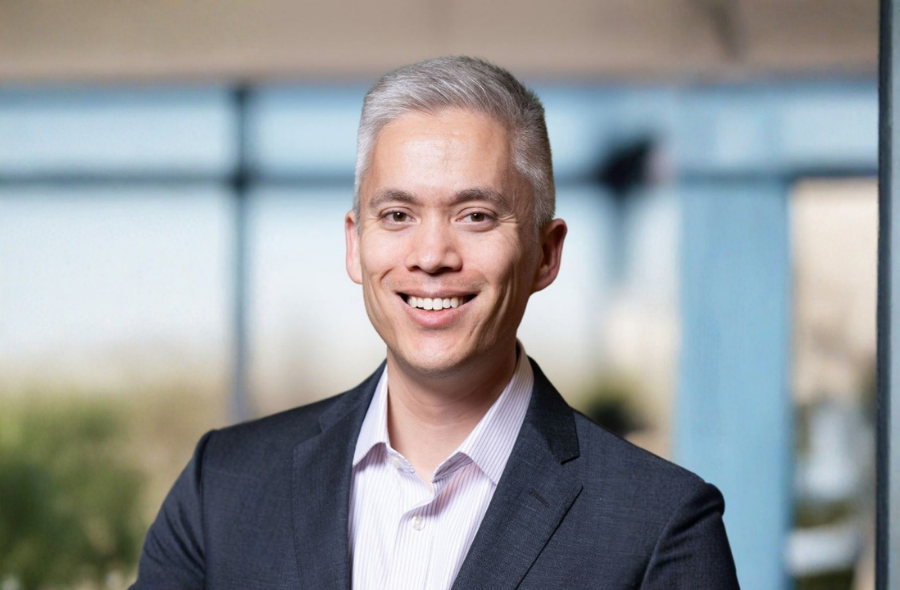
Satya Sahoo, PhD / Case Western Reserve University
Using advanced artificial intelligence, this team aims to make advances that will facilitate the development of a personalized risk prediction tool that can estimate an individual’s SUDEP risk and clearly explain the reasons behind it.
SUDEP Clinical Biomarker Team Science Award
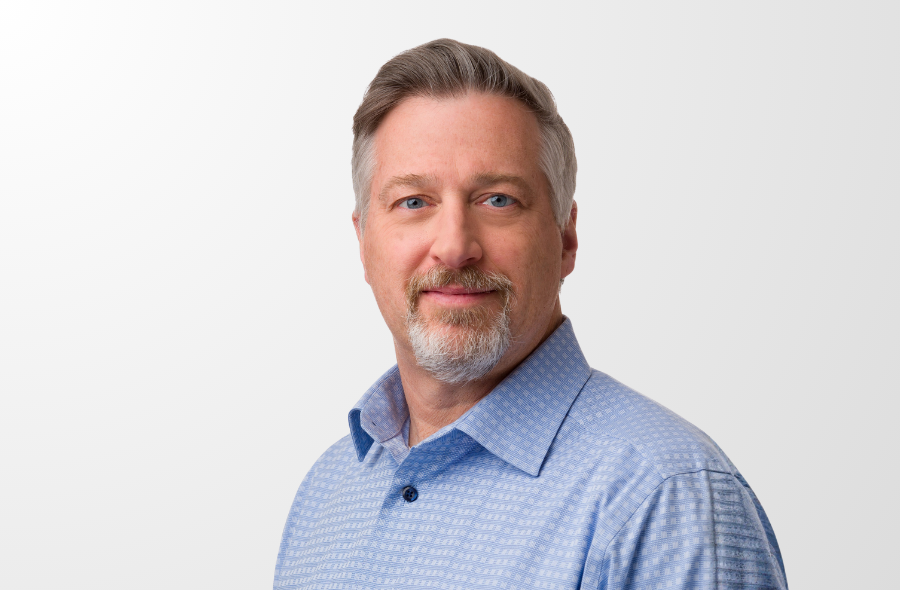
Andrew Landstrom, MD, PhD / Children's Hospital of Philadelphia
This project will identify which children are at highest risk and which medications are safest, with the goal of preventing sudden death and providing families and guiding clinical care of patients.
SUDEP Clinical Biomarker Team Science Award
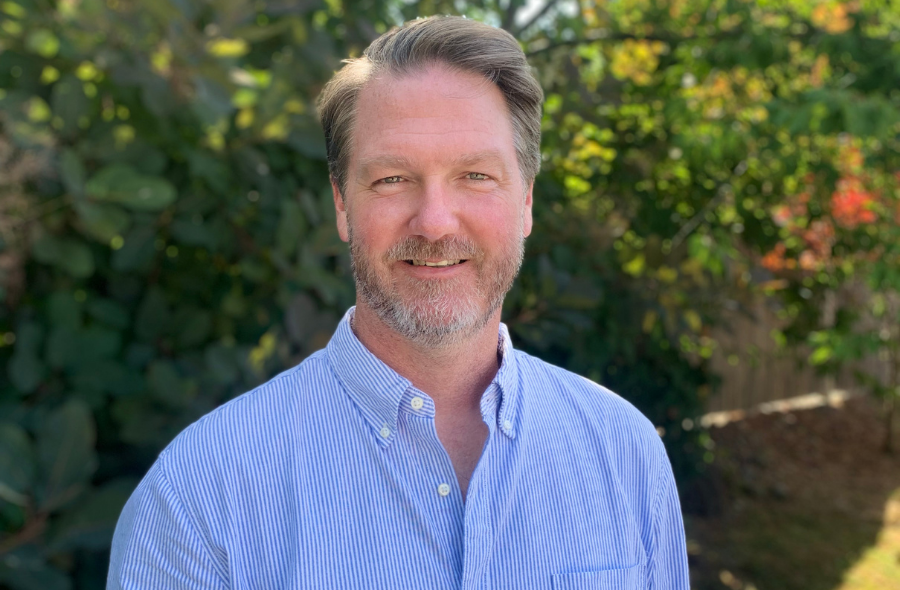
Shobi Sivathamboo, PhD / Monash University
By analyzing patterns in heart rhythm, breathing, brain activity, arousal, and sleep, this project aims to uncover measurable warning signs of risk to inform prevention strategies.
Rare Epilepsy Partnership Award
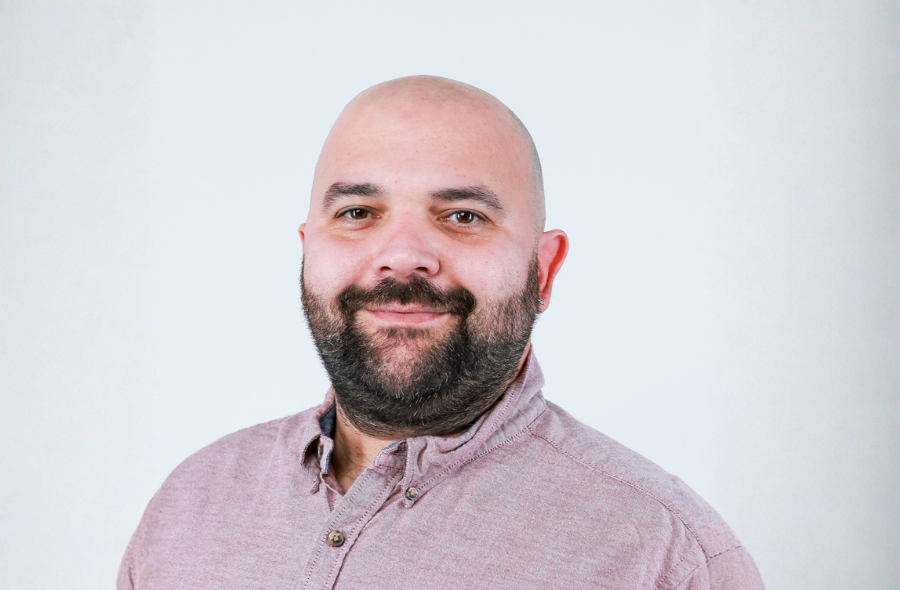
Geoffrey Swanson, PhD / Northwestern University
Dr. Swanson’s team will test whether reducing the activity of the overactive kainate receptor, using a gene therapy approach, can improve seizures and other behaviors in a new mouse model that carries the same genetic change found in people.
Rare Epilepsy Partnership Award
Damon Page, PhD, with Emily Neuhaus, PhD, and Sara Webb, PhD / Seattle Children’s Hospital
In this project, Dr. Page and his team will study seizures in a CTNNB1 mouse model using continuous video‑EEG recording and tests that measure the level of stimulation needed to trigger a seizure.
Rare Epilepsy Partnership Award
Anil Akturk, PhD / The Jackson Laboratory
Dr. Akturk’s team has developed a new “humanized” mouse model that carries a human KCNQ2-DEE variant called p.G281R. Dr. Akturk’s team proposes to characterize seizures, cognition, and brain pathology in this model.
Catalyst Award
Ivan Soltesz, PhD / Stanford University
The overall goal of this research is to lay the groundwork for a child-ready, non-invasive therapy to treat seizures.
Catalyst Award
Yoav Kfir, PhD / Modulight Biotherapeutics
In this project, the team will build the devices and test the treatment in a large‑animal model of focal, drug‑resistant epilepsy.
CURE Epilepsy Award
Sonja Broer, PhD, Florian Heyd, PhD, Rosella Di Sapia, PhD / Free University of Berlin
The ASO developed by this team activates a “cold shock” protein named RBM3 that protects brain cells—without needing to cool the body.