12/18/2025 / Annals of Neurology
EpiScalp uses algorithms trained on dynamic network models to map brainwave patterns and identify hidden signs of epilepsy from a single routine EEG.
12/18/2025 / Healio.com
In a recent study, researchers discovered evidence that a traumatic brain injury (TBI) at least 5 years before a diagnosis of epilepsy was associated with a higher rate of mortality in U.S. military veterans.
11/20/2025 / University of Nevada, Las Vegas
A common kitchen spice may be used to create a new class of cannabidiol (CBD)-like medicines that show powerful seizure-reducing effects.
11/20/2025 / Bioengineer
Researchers harness the intricate connectivity networks between the thalamus and cortex — termed thalamocortical hodology — to potentially treat focal epilepsy.
11/20/2025 / Allen Institute
New gene therapy reversed symptoms related to SYNGAP1-related disorders (SRD) in mice, according to Allen Institute study.
10/16/2025 / Epilepsia
The findings pave the way for future approaches such as genetic screening and targeted therapies to help safeguard individuals with epilepsy who are at heightened risk of SUDEP.
10/16/2025 / Immune Network
Researchers performed comprehensive immune profiling to identify distinct patterns of immune dysregulation, focused on specific immune cells.
10/16/2025 / Tech Xplore
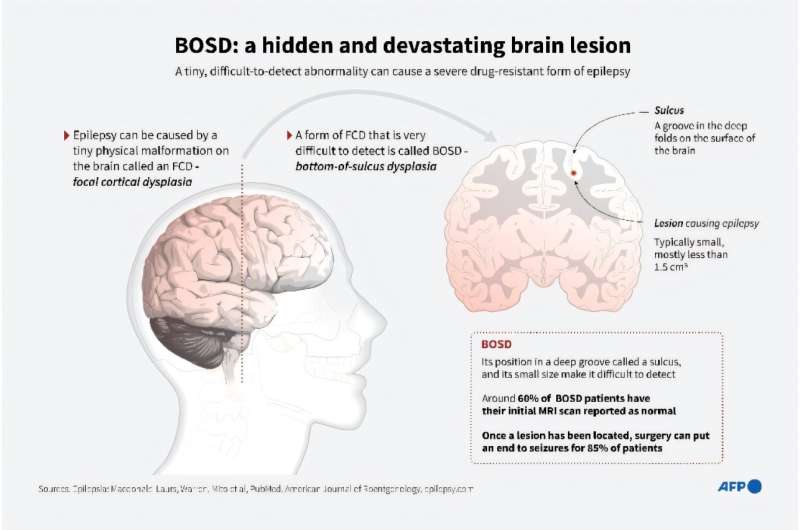
The tool can identify small focal cortical dysplasias on imaging that are typically missed by radiologists.
10/16/2025 / Texas A&M University
Review of potential therapies, including traditional antiseizure medications, plus new approaches like neurosteroids, epigenetic drugs, and network pharmacology.