06/18/2025 / St. Jude Children's Research Hospital
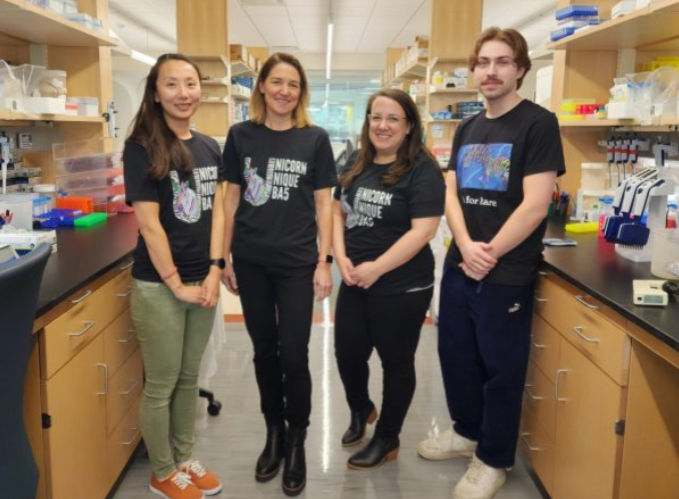
Scientists at St. Jude Children’s Research Hospital developed a cortical organoid model for UBA5-associated encephalopathy, revealing a new way to possibly address developmental defects.
05/20/2025 / The Transmitter
A potential new gene therapy for Dravet syndrome increases survival and prevents seizures, according to initial tests in mice.
05/20/2025 / The Arcuate
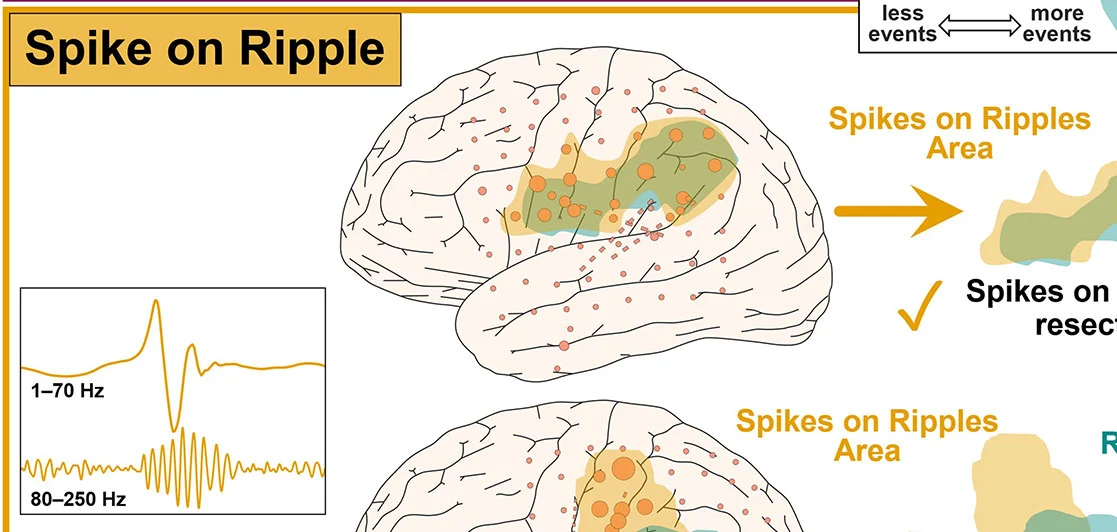
In a large cohort of children with drug-resistant epilepsy, researchers showed that “fast ripples” are the best biomarkers to predict surgical outcomes, but they can be seen in only 43% of patients.
05/20/2025 / Medical Express
Certain common genetic changes might make some people with focal epilepsy less responsive to seizure medications, according to a recent study conducted by CURE Epilepsy grantee Professor Sanjay Sisodiya of UCL Queen Square Institute of Neurology.
05/20/2025 / Children's Hospital of Philidelphia
The study found that patients with SCN8A-related disorders had more than 10-fold risk for developing bilateral tonic-clinic seizures as early as one year of age.
04/24/2025 / University of Colorado Anschutz Medical Campus
Recent research has identified defects related to metabolism in children with Dravet syndrome.
04/24/2025 / Mayo Clinic
Researchers have developed an innovative deep brain stimulation (DBS) platform that can reduce seizures and also improve memory and sleep – two common challenges for people with epilepsy.
04/24/2025 / Epilepsia
The largest pediatric case series on sudden unexpected death in epilepsy (SUDEP) to date was undertaken by Dr. Elizabeth Donner and colleagues to identify clinical factors that may be associated with SUDEP in childhood.
04/24/2025 / University of Wisconsin-Madison
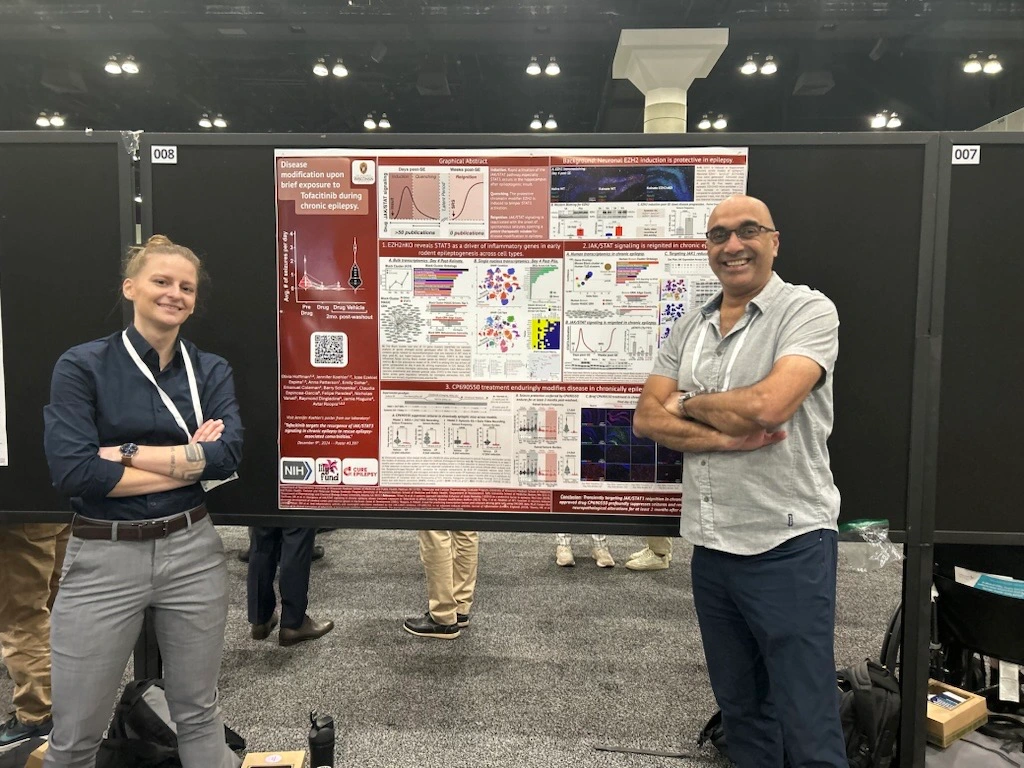
A drug typically prescribed for arthritis halts brain-damaging seizures in mice with epilepsy, according to researchers in the lab of Avtar Roopra, PhD at the University of Wisconsin–Madison.